Small Business Vendor Events Grow Your Brand
- 1.
Why Small Business Vendor Events Feel Like a Hug from the Universe
- 2.
How Much Do Vendors Pay to Be at an Event?
- 3.
What Are the 4 Types of Events?
- 4.
What Events Are Good for Food Trucks?
- 5.
How to Have a Vendor Event?
- 6.
The Unspoken Currency of Small Business Vendor Events: Reciprocity
- 7.
Booth Design That Doesn’t Scream “Amateur Hour”
- 8.
Weather, Wi-Fi, and Other Realities Nobody Warns You About
- 9.
From One-Time Booth to Year-Round Brand
Table of Contents
small business vendor events
Why Small Business Vendor Events Feel Like a Hug from the Universe
Ever walked into a small business vendor events and felt like you just stumbled into a backyard party hosted by your most creative, generous friends? That’s no accident. These gatherings—whether tucked under string lights in a Brooklyn lot or sprawled across a sun-dappled Texas ranch—are where passion meets pavement. We’ve seen ceramicists hand customers mugs still warm from the kiln, soapmakers let kids sniff every lavender bar like it’s a wine tasting, and leatherworkers stitch initials into wallets while sharing stories about their grandpa’s workshop. There’s magic here—not just in the products, but in the *connection*. And honestly? In a world of algorithm-driven shopping, that human spark is worth its weight in gold (or at least in repeat customers).
How Much Do Vendors Pay to Be at an Event?
Let’s cut through the fluff: getting into small business vendor events ain’t free, but it shouldn’t break the bank either. Booth fees typically range from $75 to $500 USD per day, depending on location, expected foot traffic, and whether the event provides tents, tables, or marketing support. High-end curated markets in cities like LA or Chicago might charge $600+ for prime spots—but they often deliver serious ROI. One candlemaker in Austin told us she paid $225 for a spring market and walked away with $3,800 in sales *and* 427 new Instagram followers. Pro tip? Always ask what’s included. Some organizers bundle electricity, Wi-Fi, or even security; others nickel-and-dime you for chairs. And never, ever skip reading the fine print—cancellation policies can sting worse than a jalapeño in your eye.
What Are the 4 Types of Events?
Not all small business vendor events are created equal—and knowing the flavor of each helps you pick your battles (and booths). First up: **seasonal markets** (think holiday bazaars or summer pop-ups)—high energy, family-friendly, big on impulse buys. Second: **niche expos**, like handmade jewelry fairs or sustainable home goods showcases—smaller crowds, but deeply engaged buyers. Third: **community festivals**, often city-sponsored, with music, food trucks, and local pride oozing from every corner. And fourth: **private or ticketed experiences**, like wedding vendor showcases or luxury craft weekends—higher barrier to entry, but clientele ready to spend. Choose based on your brand vibe, not just the price tag.
Finding Your Tribe in the Right Type of Small Business Vendor Events
Your ideal customer isn’t everywhere—they’re *somewhere*. If you sell $120 organic linen napkins, a rowdy street fair might not be your jam. But a “slow living” retreat? Gold. Conversely, if your booth features $10 enamel pins with cheeky slogans (“I Paused My Podcast for This”), a Gen-Z-heavy art walk could be your bread and butter. The key is alignment. Attend as a guest first. Watch who lingers, who asks questions, who whips out their wallet without hesitation. That intel is worth more than any glossy event brochure.
What Events Are Good for Food Trucks?
While this article celebrates all vendors, we’d be remiss not to shout out our culinary comrades. For food trucks, the best small business vendor events are those with high dwell time—people aren’t just passing through; they’re settling in. Think: music festivals, art walks with live demos, dog-friendly park markets, or wedding expos (hungry planners = easy sales). Avoid events with strict “no outside food” clauses or those dominated by seated dining. Also, prioritize events that provide grease disposal, water access, and level parking—because nobody wants to recalibrate their fryer on a slope while juggling tacos. Bonus points if the organizer promotes vendors individually on social media. Free marketing? Yes, please.
How to Have a Vendor Event?
Hosting your own small business vendor events? Bless your heart—you’re about to become everyone’s favorite connector. Start with permits: check local zoning, noise ordinances, and health codes (especially if food’s involved). Next, curate with intention. Don’t just fill slots—build a story. A “coastal cottage” theme? Invite sea glass jewelers, driftwood artists, and saltwater taffy makers. Then, over-communicate: send welcome packets, share load-in maps, and create a private group chat so vendors feel supported. And for Pete’s sake, provide clear signage, trash bins, and a shaded chill zone. Remember: a happy vendor = a returning vendor = a thriving community.
The Unspoken Currency of Small Business Vendor Events: Reciprocity
Here’s something they don’t put in the vendor agreement: the real economy at small business vendor events runs on goodwill. We’ve watched potters send customers to the booth next door for matching coasters. Seen jewelry makers swap Instagram stories with candle sellers. Heard food truck owners shout out their favorite soap vendor over the loudspeaker. This isn’t competition—it’s collaboration. Because when one small biz thrives, the whole ecosystem lifts. So bring extra business cards, offer to hold a neighbor’s booth during bathroom breaks, and always say “congrats” when someone makes a sale. Karma’s got a better ROI than any ad campaign.
Booth Design That Doesn’t Scream “Amateur Hour”
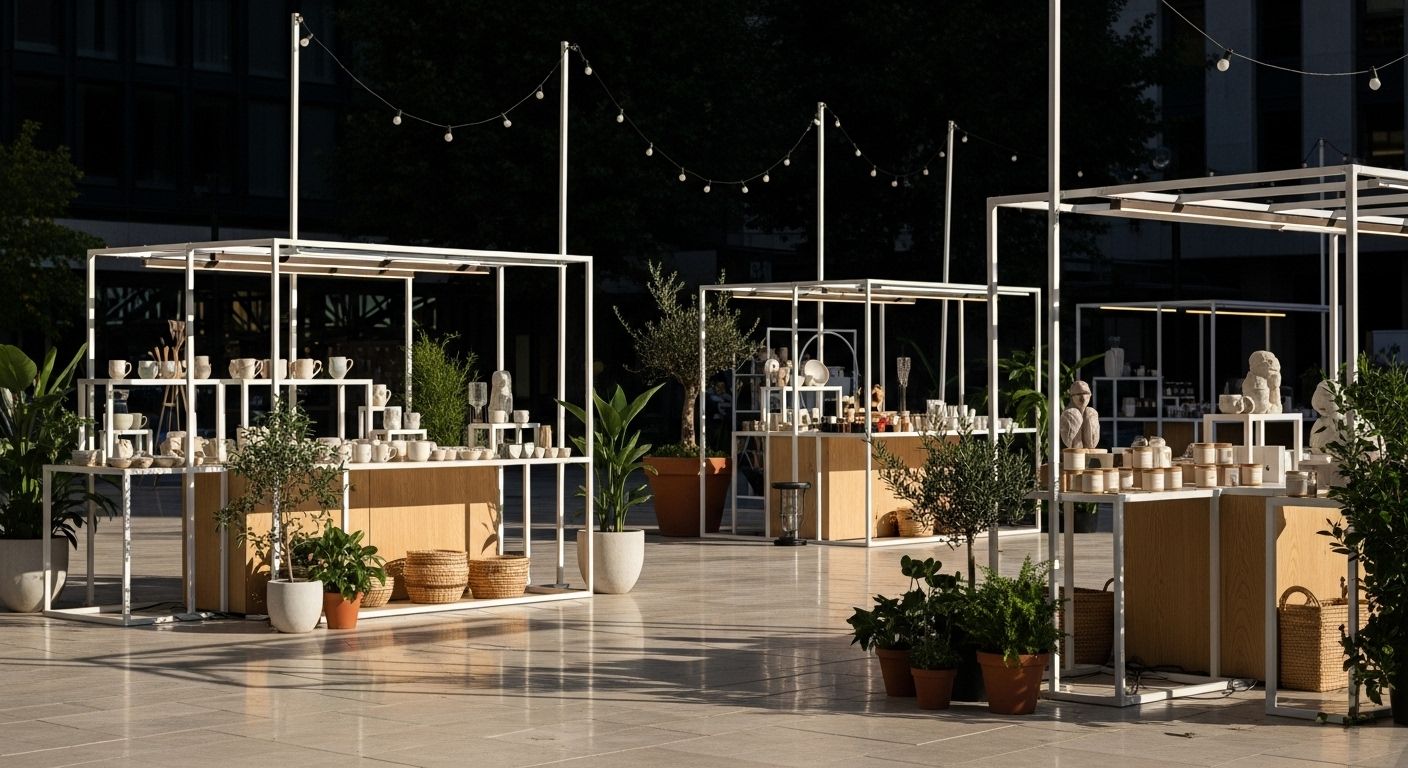
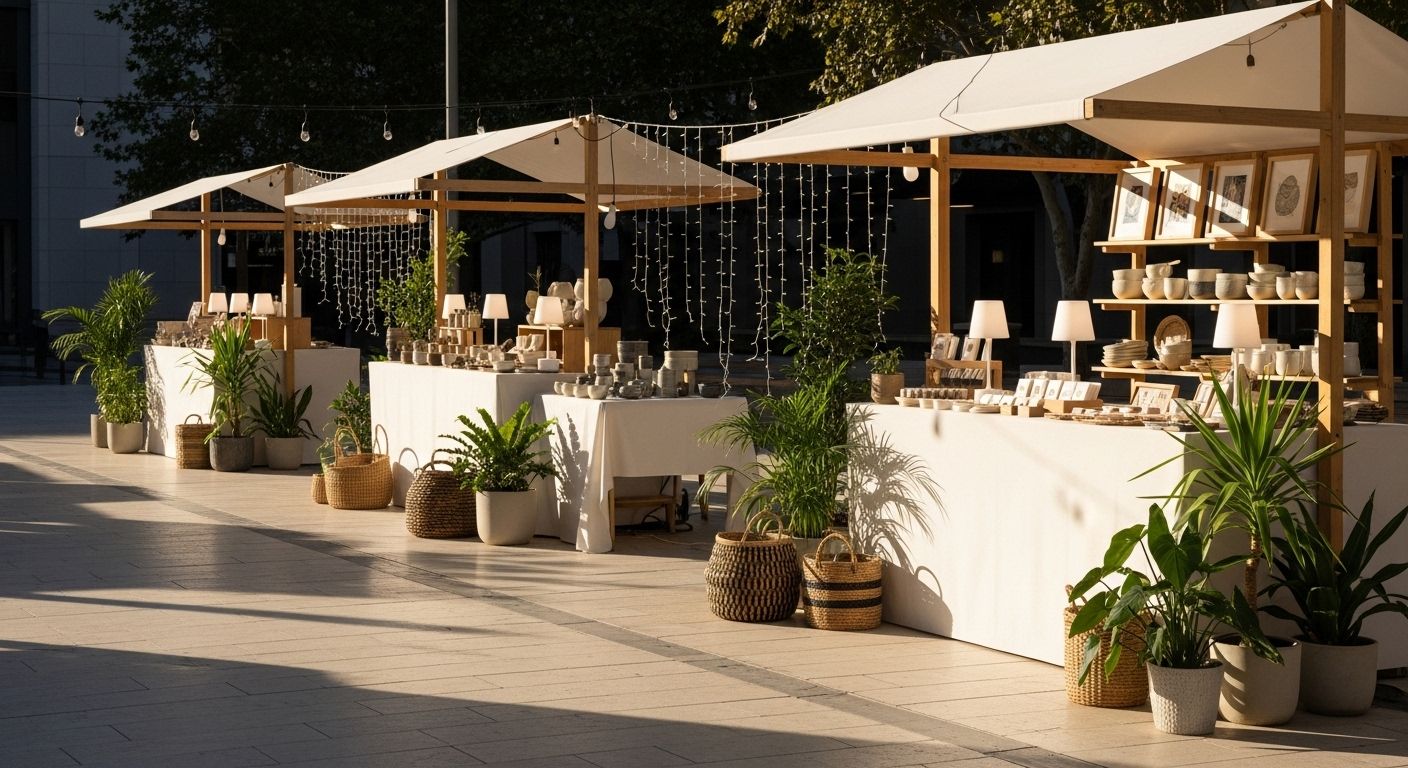
Your product might be fire, but if your small business vendor events setup looks like a garage sale after a tornado, folks’ll keep walking. Invest in clean, cohesive branding: matching tablecloths, clear signage with readable fonts, and strategic lighting (battery-powered LEDs work wonders at dusk). Display height matters—stack items at varying levels so nothing gets lost in the back. And please, for the love of all that’s holy, hide your storage bins. Nobody wants to see your crumpled packing peanuts while admiring your hand-thrown ceramics. One vendor we know uses vintage suitcases as display stands—functional *and* on-brand. Now that’s thinking.
Weather, Wi-Fi, and Other Realities Nobody Warns You About
Sunburnt customers, melted chocolate bars, wind-flipped tents—small business vendor events are equal parts dream and disaster prep. Always pack:
- Waterproof canopy weights (sandbags > rocks)
- Portable phone charger (sales die when your Square dies)
- Cash float with plenty of $1s and $5s
- First-aid kit (blister tape is non-negotiable)
- Backup inventory in a locked bin
From One-Time Booth to Year-Round Brand
A single small business vendor events appearance won’t change your life—but a smart strategy might. Capture emails (offer a discount for sign-ups), tag your location in real-time posts, and follow up with new followers within 48 hours. Better yet, turn event-goers into ambassadors: “Tag us in your haul for a chance to win next month’s drop!” The goal isn’t just to sell—it’s to build a tribe that seeks you out, online and off. Ready to grow beyond the tent? Start by exploring the wider ecosystem. Visit the Events By Gather homepage to discover where your brand fits next. Dive deeper into vendor life through the Vendors category. And if you’re dreaming of pairing your goods with great grub, don’t miss our guide: Food Vendors for Events: Delight Your Guests. Your journey’s just getting started—and the crowd’s waiting.
Frequently Asked Questions
How much do vendors pay to be at an event?
Vendors at small business vendor events typically pay between $75 and $500 USD per day, though premium or high-traffic events may charge up to $600+. Fees often depend on location, amenities provided, and expected attendance.
What are the 4 types of events?
The four main types of small business vendor events include seasonal markets, niche expos, community festivals, and private or ticketed experiences—each attracting different audiences and requiring tailored vendor strategies.
What events are good for food trucks?
Ideal small business vendor events for food trucks include music festivals, art walks, dog-friendly park markets, and wedding expos—anywhere guests linger, socialize, and expect casual dining options.
How to have a vendor event?
To host successful small business vendor events, secure permits, curate vendors around a cohesive theme, provide clear logistics and communication, and prioritize attendee comfort with signage, waste management, and vendor support.
References
- https://www.eventbrite.com/blog/vendor-booth-fees-guide
- https://www.smallbiztrends.com/types-of-vendor-events
- https://www.foodtruckranch.com/best-events-for-food-trucks
- https://www.forbes.com/sites/forbesbusinesscouncil/2024/02/10/how-to-host-a-successful-market-event