Vendor Management in Project Management Vital Tools

- 1.
What Exactly Is Vendor Management in Project Management?
- 2.
Why Vendor Management in Project Management Isn’t Just “Procurement Lite”
- 3.
The Five C’s That Keep Vendor Management in Project Management From Going Off the Rails
- 4.
How the PMO Elevates Vendor Management in Project Management from Tactical to Strategic
- 5.
A Day in the Life: How Real Project Managers Handle Vendor Management in Project Management
- 6.
Tools of the Trade: Must-Have Features for Vendor Management in Project Management Platforms
- 7.
Common Blunders That Sink Vendor Management in Project Management (And How to Avoid ’Em)
- 8.
Can Agile Projects Even Do Vendor Management in Project Management Right?
- 9.
Metrics That Matter: How to Measure Success in Vendor Management in Project Management
- 10.
Ready to Transform Your Approach to Vendor Management in Project Management?
Table of Contents
vendor management in project management
What Exactly Is Vendor Management in Project Management?
Ever tried herding cats while simultaneously baking soufflé during an earthquake? Yeah, that’s basically what managing vendors in a project feels like—*unless* you’ve got your vendor management in project management game dialed in. At its core, vendor management in project management is the art (and science) of selecting, onboarding, coordinating, and evaluating third-party suppliers who deliver goods or services critical to your project’s success. Whether it’s a cloud infrastructure provider for your SaaS launch or a catering vendor for your product demo event, these external partners can make or break your timeline, budget, and sanity. And no, “hoping they’ll figure it out” isn’t a strategy—trust us, we’ve seen that movie. It ends with missed deadlines and passive-aggressive Slack threads.
Why Vendor Management in Project Management Isn’t Just “Procurement Lite”
Let’s squash this myth right quick: vendor management in project management ain’t just about signing contracts and cutting checks. Nah—it’s about building relationships, setting crystal-clear expectations, and keeping everyone rowing in the same direction, even when the waters get choppy. A solid vendor management approach ensures that your AV tech doesn’t show up with the wrong cables, your freelance designer doesn’t ghost you two days before launch, and your logistics partner actually *knows* where the venue is. In short, it turns potential chaos into coordinated harmony. And if you think that’s fluff, ask the PM who lost $50K because their “reliable” vendor double-booked their crew on Super Bowl Sunday.
The Five C’s That Keep Vendor Management in Project Management From Going Off the Rails
You’ve probably heard of the “Five C’s of Credit,” but in the wild world of projects, we live by the Five C’s of Vendor Management: **Communication**, **Clarity**, **Compliance**, **Cost Control**, and **Continuity**. Miss one, and your whole house of cards wobbles. For instance, without *clarity* in scope, your vendor might deliver 100 branded pens instead of 100 branded *tote bags*. Without *compliance*, you could be liable for labor violations you didn’t even know existed. And without *continuity* planning? One sick vendor rep = total radio silence for three days. Embed these C’s into your vendor management in project management playbook, and you’ll sleep like a baby—even during crunch week.
How the PMO Elevates Vendor Management in Project Management from Tactical to Strategic
When the Project Management Office (PMO) gets involved, vendor management in project management stops being a solo act and becomes part of the symphony. The PMO standardizes vendor selection criteria, maintains a pre-approved vendor roster, enforces SLAs, and tracks performance across *all* projects—not just yours. This means no more reinventing the wheel every time you need a videographer or cybersecurity consultant. Plus, the PMO often negotiates master agreements, so you get better rates and faster onboarding. In essence, they’re the backstage maestro making sure every vendor cue hits right on beat. Ignore the PMO’s framework, and you’re basically doing improv jazz in a classical orchestra—bold move, but someone’s gonna cringe.
A Day in the Life: How Real Project Managers Handle Vendor Management in Project Management
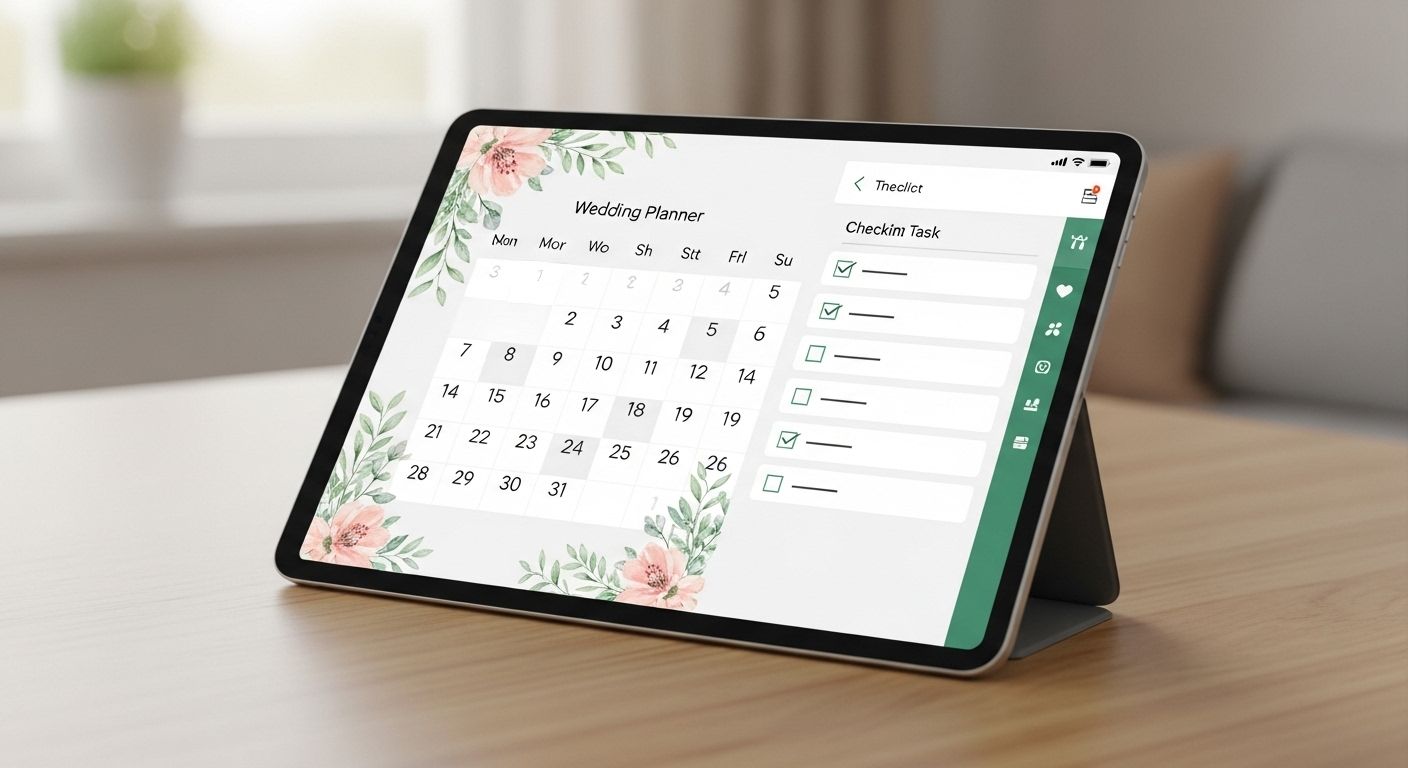
Morning coffee in hand, our hero (that’s you) opens their dashboard and sees: Vendor A submitted timesheets late *again*, Vendor B’s deliverable is flagged as “at risk,” and Vendor C just asked if they can swap out the keynote speaker last-minute. Sound familiar? This is where structured vendor management in project management saves the day. Instead of panic-emailing, you check your centralized tracker, review the contract terms, trigger an automated escalation, and loop in your PMO liaison—all before your second sip. Tools help, sure, but it’s the discipline that matters. And hey, here’s a peek at what that clarity looks like in action:

That’s not just a pretty interface—it’s peace of mind wrapped in UX design.
Tools of the Trade: Must-Have Features for Vendor Management in Project Management Platforms
Not all platforms are built for the gritty reality of project-based vendor wrangling. If your tool doesn’t offer these, it’s time to shop around:
- Contract repository with version control – Because “I thought we agreed on X” is a conversation nobody wants.
- Automated milestone tracking – Get alerts when deliverables slip, not after the client complains.
- Integrated risk scoring – Flag vendors with spotty compliance or payment histories.
- Real-time collaboration hubs – No more 47 email threads per vendor.
- Budget vs. actual spend dashboards – Keep those surprise invoices in check.
These aren’t “nice-to-haves”—they’re the bedrock of effective vendor management in project management. Skip ’em, and you’re basically navigating a storm with a paper map and a compass from 1987.
Common Blunders That Sink Vendor Management in Project Management (And How to Avoid ’Em)
We’ve seen it all: teams who treat vendors like order-takers instead of partners, PMs who never read the SLA (“It’s fine, right?”), or worse—those who assume “signed contract = done deal.” Spoiler: it’s not. Other classic oopsies? Failing to define acceptance criteria (“Just make it pop!” isn’t feedback), skipping onboarding calls (“They’ll figure it out”), or not documenting change requests. Each of these tiny oversights snowballs into delays, cost overruns, or full-blown project derailment. The fix? Treat vendor management in project management like oxygen—non-negotiable, continuous, and monitored closely. Oh, and maybe stop using “ASAP” as a deadline. We see you.
Can Agile Projects Even Do Vendor Management in Project Management Right?
Absolutely—but it takes finesse. Agile thrives on flexibility, while vendor contracts love rigidity. The trick? Build *adaptive clauses* into your agreements: sprint-based deliverables, iterative feedback loops, and clear exit ramps if things go sideways. Some forward-thinking teams even co-locate vendor reps in their stand-ups (virtually or IRL). The goal? Make the vendor feel like part of the squad, not a distant cog. When done well, vendor management in project management in Agile settings actually *accelerates* delivery—because your dev shop or design agency isn’t waiting two weeks for an email reply. They’re in the flow, adapting alongside you. Now that’s synergy, baby.
Metrics That Matter: How to Measure Success in Vendor Management in Project Management
Forget vanity metrics. If you’re only tracking “number of vendors used,” you’re missing the point. Focus on what moves the needle:
| Metric | Why It Matters for Vendor Management in Project Management |
|---|---|
| On-Time Delivery Rate | Shows reliability—critical for timeline integrity. |
| Cost Variance % | Reveals budget discipline (or lack thereof). |
| Issue Resolution Time | Measures responsiveness during fires. |
| Stakeholder Satisfaction Score | Did the vendor *actually* meet needs, not just check boxes? |
Track these consistently, and your vendor management in project management strategy shifts from reactive to predictive. You’ll spot red flags early, reward top performers, and build a vendor ecosystem that *earns* your trust—not just your PO number.
Ready to Transform Your Approach to Vendor Management in Project Management?
If your current system runs on hope, spreadsheets, and caffeine-fueled follow-ups, it’s time for an upgrade. Start by mapping your vendor touchpoints, defining non-negotiables, and picking tools that scale with your ambition. And don’t go it alone—lean on communities, frameworks, and proven playbooks. For starters, swing by the Events By Gather homepage for holistic insights, explore our dedicated Vendors category for tactical breakdowns, or dive into real-world comparisons in our guide: Vendor and Contract Management Software: Top Choices. Because let’s be real—your next big project deserves better than winging it with vendors.
Frequently Asked Questions
What is vendor management in project management?
Vendor management in project management refers to the systematic process of identifying, selecting, contracting, overseeing, and evaluating third-party suppliers whose services or products are essential to a project’s execution. Effective vendor management in project management ensures alignment with project goals, controls costs, mitigates risks, and maintains quality throughout the vendor lifecycle.
How to manage vendors in a project?
To manage vendors in a project, start with clear scope definition and SLAs, conduct thorough due diligence during selection, establish regular communication rhythms, track deliverables against milestones, and document all changes formally. Successful vendor management in project management hinges on proactive oversight, mutual accountability, and treating vendors as strategic partners—not just order fulfillers.
What is vendor management in PMO?
In the Project Management Office (PMO), vendor management involves standardizing vendor governance across all projects—maintaining approved vendor lists, enforcing contractual templates, monitoring cross-project performance, and ensuring compliance with organizational policies. The PMO elevates vendor management in project management from isolated tactics to enterprise-wide strategy, driving consistency and value.
What are the 5 C's of project management?
While traditional project management emphasizes scope, time, cost, quality, and risk, the 5 C’s of vendor management in project management are: Communication, Clarity, Compliance, Cost Control, and Continuity. These principles ensure that external partnerships remain aligned, accountable, and resilient—cornerstones of robust vendor management in project management.
References
- https://www.pmi.org/learning/library/vendor-management-project-success-12345
- https://www.gartner.com/en/project-management/insights/vendor-risk-mitigation
- https://www.apm.org.uk/resources/find-a-resource/vendor-governance-in-complex-projects
- https://www.forbes.com/sites/forbestechcouncil/2025/08/12/the-future-of-project-based-vendor-collaboration