Vendors Needed for Wedding Create Perfect Day
- 1.
What Vendors Are Typically Needed for a Wedding?
- 2.
What Suppliers Do You Need for a Wedding?
- 3.
How to Prioritize Your Vendors Needed for Wedding
- 4.
Why Local Vendors Often Shine Brightest
- 5.
The Hidden Costs of Skipping Key Vendors Needed for Wedding
- 6.
Timeline Tips: When to Book Each Vendor
- 7.
Do Vendors Need to Be Fed at a Wedding?
- 8.
Red Flags to Watch For When Hiring Vendors Needed for Wedding
- 9.
How to Build a Cohesive Vendor Team That Actually Works Together
- 10.
Your Roadmap to Finding the Perfect Vendors Needed for Wedding
Table of Contents
vendors needed for wedding
What Vendors Are Typically Needed for a Wedding?
Ever tried planning a wedding without knowing which vendors needed for wedding actually matter? Spoiler: it’s like trying to bake a soufflé with a hairdryer—chaotic, messy, and probably ending in tears. Look, honey, your big day ain’t just about the dress and the vows (though yes, those are *chef’s kiss*). It’s about the whole damn ecosystem of pros who make magic happen while you’re busy lookin’ like a million bucks. The core crew usually includes a venue, caterer, photographer, florist, DJ or band, officiant, and rentals—but honestly? That’s just the appetizer. Depending on your vibe, you might also need hair/makeup artists, transportation, lighting designers, cake baker, stationery designer, and even a photo booth wrangler. And guess what? All these vendors needed for wedding gotta play nice together like a well-rehearsed jazz quartet. Miss one piece? The whole symphony falls flat.
What Suppliers Do You Need for a Wedding?
Alright, let’s get real—“suppliers” sounds like you’re stocking up for a zombie apocalypse, but in wedding world, it’s just another word for the dream team of vendors needed for wedding. Think of it this way: your venue is the stage, your caterer is the fuel, your photographer is the memory-maker, and your florist? Oh, they’re the mood-setter. Don’t forget rentals (chairs, tables, linens—because grass stains on your gown ain’t cute), lighting (nobody wants to look orange under fluorescent bulbs), and maybe even a videographer if you wanna cry-laugh at your first dance 20 years from now. These aren’t “extras”—they’re essentials wrapped in tulle and twinkle lights. And the best part? When you nail your list of vendors needed for wedding, you’re not just throwing a party—you’re crafting an experience nobody’ll ever forget.
How to Prioritize Your Vendors Needed for Wedding
Here’s the tea: you can’t afford everything (unless you’re secretly a tech billionaire, in which case… hi 👋). So how do you decide what stays and what goes? Start by asking: “What will I regret skipping?” If photos are your love language, splurge on the photographer. If food is your love language (same, bestie), go all-in on the caterer. Most couples allocate 40–50% of their budget to venue + catering, 10–15% to photography, 8–10% to attire, and the rest to decor, music, and miscellany. But here’s the kicker—your vendors needed for wedding should reflect *your* values, not Pinterest’s. Want a backyard bash with taco trucks and string lights? Cool. Dreaming of a black-tie ballroom affair? Also cool. Just make sure your vendor list matches your actual vision—not your mom’s 1992 fantasy.
Why Local Vendors Often Shine Brightest
Don’t sleep on those hometown heroes! Hiring local pros among your vendors needed for wedding comes with serious perks. They know your venue’s quirks (“Oh yeah, the AC dies after 8 p.m.—bring fans”), they’ve worked with your city’s permit office, and they won’t charge you $500 extra for travel. Plus, local vendors often have tighter-knit networks—your florist might recommend the *perfect* cake artist who uses edible gold leaf (yes, really). And let’s be honest: when your DJ lives two towns over, they’re less likely to ghost you the week before. Supporting small businesses in your community? That’s the kind of karma that keeps your bouquet fresh and your timeline on track. So yeah, go local when you can—it’s practical, personal, and kinda poetic.
The Hidden Costs of Skipping Key Vendors Needed for Wedding
Think you can DIY your way out of hiring certain vendors needed for wedding? Bless your heart. We’ve seen brides try to coordinate their own timelines while walking down the aisle (not recommended), grooms act as their own DJs (RIP the playlist), and moms attempt floral arrangements (resulting in something that looked like a sad salad). The truth? Cutting corners on key roles often backfires—costing you more time, stress, and sometimes cold hard cash. For example, skipping a day-of coordinator might save you $1,200 USD upfront… but if your caterer leaves early because no one told them to stay for cake cutting, you’re out $3,000 in wasted food. Ouch. Investing in the right vendors needed for wedding isn’t spending—it’s safeguarding your sanity and your celebration. 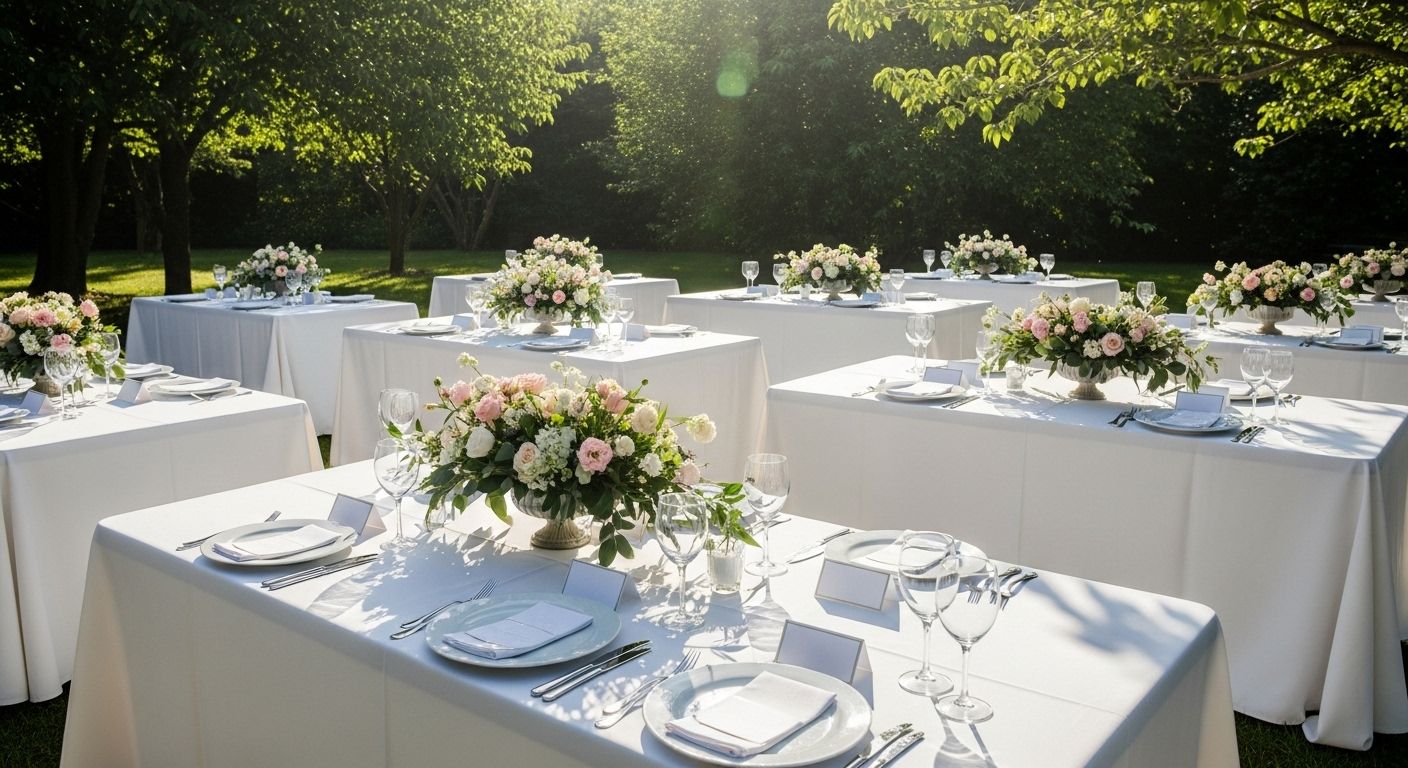
Timeline Tips: When to Book Each Vendor
Timing is everything, y’all. You wouldn’t wait till Friday to book a flight for Sunday—and you shouldn’t wait till March to lock in your photographer for a June wedding. Here’s the golden rule: secure your venue and top-tier vendors needed for wedding (photographer, caterer, planner) 10–12 months out. Florist, hair/makeup, and entertainment? 6–8 months. Rentals, favors, and signage? 3–4 months. And always, ALWAYS confirm details with every vendor 2–4 weeks before the big day. Pro tip: use a shared Google Sheet or wedding app so your partner doesn’t accidentally double-book the limo. Because nothing says “stress” like realizing your cake delivery and ceremony start at the same time. Yikes.
| Vendor Type | Book By | Avg. Cost (USD) |
|---|---|---|
| Venue | 12+ months | $5,000 – $20,000+ |
| Caterer | 10–12 months | $75 – $200 per person |
| Photographer | 9–12 months | $2,500 – $6,000 |
| Florist | 6–8 months | $1,500 – $5,000 |
| DJ/Band | 6–9 months | $1,000 – $4,000 |
| Day-of Coordinator | 4–6 months | $800 – $2,500 |
Do Vendors Need to Be Fed at a Wedding?
Short answer: YES. Long answer: ABSOLUTELY, POSITIVELY, WITHOUT A DOUBT—YES. Look, your vendors needed for wedding are working 8–12 hour days on zero sleep, fueled by sheer willpower and leftover cake scraps (don’t make them eat scraps!). Caterers, photographers, coordinators, DJs—they’re all human beings who need sustenance to keep your party flawless. Most contracts even include a “vendor meal” clause. And no, pizza in the parking lot doesn’t count (unless that’s your whole aesthetic, then hey, own it). Feeding your vendors isn’t just polite—it’s professional. Plus, a well-fed photographer is more likely to capture that perfect candid of your grandma tearing up. So yeah, add 5–10 vendor meals to your headcount. It’s the least you can do for the folks making your dreams look Insta-worthy.
Red Flags to Watch For When Hiring Vendors Needed for Wedding
Not every vendor with a shiny Instagram grid is worth your trust. Watch out for these warning signs: no written contract (run!), vague pricing (“it depends” isn’t a number), ghosting during consultations, or refusing to provide references. Also, if they badmouth other vendors? Big yikes—that’s unprofessional and a sign they might gossip about *you*. Always ask: “Have you worked at my venue before?” and “What’s your backup plan if you get sick?” The best vendors needed for wedding are transparent, responsive, and collaborative—not salesy or secretive. And please, for the love of all things sparkly, don’t hire someone just because they’re cheap. Remember: you’re not buying a product—you’re investing in an experience. And experiences built on shaky foundations crumble faster than a dry wedding cake.
How to Build a Cohesive Vendor Team That Actually Works Together
Your vendors needed for wedding shouldn’t just be solo artists—they should be a band. That means choosing pros who communicate well, respect each other’s roles, and share your vision. A great way to ensure harmony? Hire a wedding coordinator—they’ll act as the conductor, making sure your florist knows when the photographer needs bouquet close-ups, and your DJ cues the first dance right after dinner. Also, host a quick vendor check-in call a month before the wedding. Five minutes of alignment saves five hours of chaos. At the end of the day, your wedding isn’t just about individual moments—it’s about how they flow together. And that only happens when your vendors needed for wedding are truly in sync.
Your Roadmap to Finding the Perfect Vendors Needed for Wedding
If you’re feelin’ overwhelmed (and hey, who wouldn’t be?), take a breath and start small. First, define your non-negotiables: budget, guest count, and overall vibe. Then, lean on trusted platforms and communities to find vetted pros who’ve been there, done that, and got the framed couple photo to prove it. Don’t just scroll endlessly—get strategic. For a curated starting point, visit Events By Gather to connect with top-rated talent. Dive deeper into expert advice and vendor spotlights in our Vendors category. Or shortcut your search with our ultimate resource guide: Wedding Vendor Sites Find Your Dream Team. Because finding your dream team shouldn’t feel like searching for a needle in a haystack—it should feel like coming home.
Frequently Asked Questions
What vendors are typically needed for a wedding?
Essential vendors needed for wedding include a venue, caterer, photographer, florist, entertainment (DJ or band), officiant, and rentals. Depending on your vision, you may also need hair/makeup artists, transportation, lighting, videographer, cake baker, and a day-of coordinator. These professionals ensure your event runs smoothly and captures your unique style.
What suppliers do you need for a wedding?
“Suppliers” in wedding planning refer to the same core group as vendors needed for wedding—including venue, catering, photography, floral design, music, and rentals. These suppliers provide the physical and experiential elements that transform your celebration from ordinary to extraordinary, and should be selected based on your budget, theme, and priorities.
What is the 50 30 20 rule for weddings?
While the classic 50/30/20 rule (50% needs, 30% wants, 20% savings) applies to personal finance, some couples adapt it for weddings: 50% on venue and catering, 30% on attire, photography, and decor, and 20% on extras like honeymoon or buffer funds. However, your allocation of vendors needed for wedding should reflect your personal priorities—not rigid percentages.
What vendors need to be fed at a wedding?
All working vendors needed for wedding should be provided meals—including photographer, videographer, coordinator, DJ/band, caterer staff, hair/makeup artists, and florist if they’re onsite during reception. Feeding your vendors is both a professional courtesy and a practical necessity to ensure they remain energized and focused throughout your event.
References
- https://www.theknot.com/content/wedding-vendor-checklist
- https://www.weddingwire.com/wedding-ideas/wedding-vendor-tips
- https://www.brides.com/wedding-budget-breakdown
- https://www.marthastewartweddings.com/832172/what-to-feed-wedding-vendors