Vintage Market Days Vendor List Find Top Sellers

- 1.
What Kind of Vendors Are at Vintage Market Days?
- 2.
How Do You Land a Spot on the Vintage Market Days Vendor List?
- 3.
What Should Vendors Bring to Market Days?
- 4.
Where Do Flea Market Vendors Get Their Merchandise?
- 5.
What Sells Most at a Flea Market?
- 6.
Why Curated Markets Beat Random Flea Markets
- 7.
How to Price Your Vintage Like a Pro
- 8.
The Unspoken Rules of Vintage Market Etiquette
- 9.
Seasonal Trends That Move the Needle
- 10.
Building a Brand Beyond the Booth
Table of Contents
vintage market days vendor list
What Kind of Vendors Are at Vintage Market Days?
Ever walked into a vintage market and felt like you just time-traveled to your grandma’s attic—but make it chic? Yeah, that’s the magic. The vintage market days vendor list isn’t just a roster—it’s a curated dreamland of folks who breathe life into forgotten treasures. You’ll find everything from mid-century modern furniture flippers to hand-stitched quilt queens, antique typewriter whisperers, and even candlemakers who swear their soy blends can “heal your aura.” These vendors ain’t just sellers—they’re storytellers, historians with calloused hands and Etsy shops. Some are weekend warriors moonlighting from 9-to-5 gigs; others have turned their passion for patina into full-blown empires. And let’s not forget the local artisans slingin’ handmade soaps that smell like lavender fields in Provence—only $18 a bar, hun.
How Do You Land a Spot on the Vintage Market Days Vendor List?
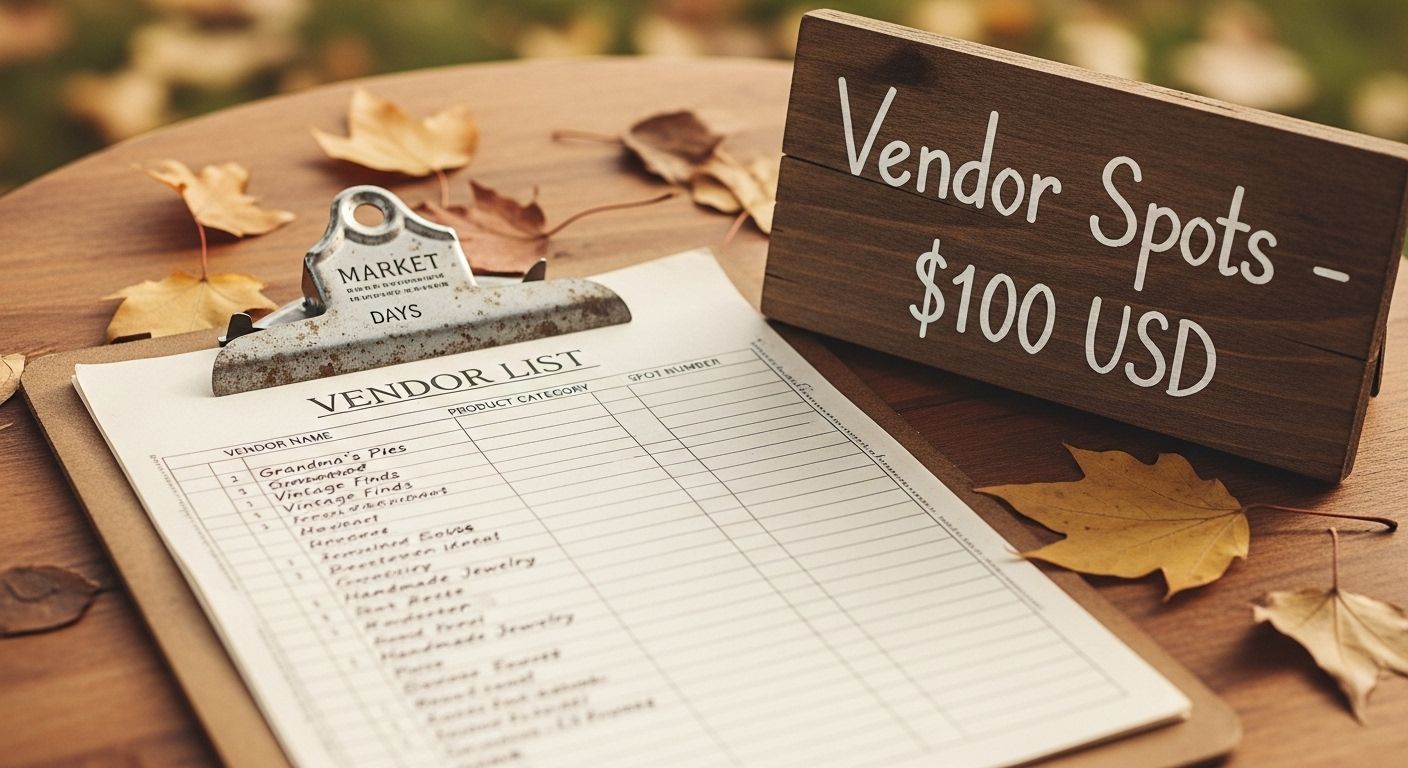
Getting onto the official vintage market days vendor list ain’t like signing up for a PTA bake sale. Nah, these spots move faster than a TikTok trend. Most events operate on an application basis, where curators sift through hundreds—sometimes thousands—of hopefuls. They’re lookin’ for uniqueness, quality, and that je ne sais quoi that makes your booth stop scrollers mid-swipe. Pro tip? Your photos better slap. Blurry iPhone pics of dusty knick-knacks won’t cut it. Also, don’t be shy about your story—vendors with a narrative (“I restore 1940s radios using parts from my grandpa’s garage”) often get priority over generic resellers. Oh, and fees? Buckle up. Booth costs can range from $150 to $600 USD depending on location, size, and foot traffic. But hey, if your booth goes viral on Instagram? Worth every penny.
What Should Vendors Bring to Market Days?
If you think showing up with just your wares is enough, bless your heart—you’re in for a rude awakening. A seasoned vendor knows the vintage market days vendor list comes with an unspoken survival kit. First off: cash float. Not everyone’s Venmo-ing you for that $22 enamel pin. Bring small bills, coins, and maybe a portable card reader (Square or Zelle, baby). Then there’s signage—hand-painted, chalkboard, neon… whatever screams *you*. Don’t forget extension cords, tarps (weather’s fickle, y’all), tape, scissors, and a folding chair that doesn’t groan like your knees after leg day. And hydration! Seen too many vendors pass out ‘cause they were too busy haggling over a $5 porcelain doll to drink water. Pack snacks, sunscreen, and a backup outfit—because spilled cold brew on your linen dress is *not* the vibe.
Where Do Flea Market Vendors Get Their Merchandise?
Peek behind the curtain of any successful booth on the vintage market days vendor list, and you’ll find a treasure hunter’s playbook. Estate sales? Goldmines. Thrift stores? Only if you know which aisles to haunt before the hipsters show up. Some vendors hit rural auctions where a single bid could net them a barn full of Depression glass. Others scour Facebook Marketplace at 3 a.m., fueled by cold brew and FOMO. There’s also the “family inheritance” route—Aunt Marge’s attic yielding a 1920s rotary phone that now sells for $220. And let’s not sleep on dumpster diving (legally, of course). One vendor we chatted with scored a crate of unused 1970s Pyrex bowls behind a closed-down diner—flipped ‘em same weekend for $1,200. Moral of the story? Your next big score might be hiding in plain sight… or under someone’s porch.
What Sells Most at a Flea Market?
Alright, let’s cut to the chase: what actually moves off tables at events featuring the vintage market days vendor list? Spoiler: it’s not those $400 Victorian mourning brooches (sorry, goth aunties). Data from 2024 shows the top sellers fall into three buckets: functional home goods, nostalgic decor, and wearable vintage. Think: Pyrex, cast iron skillets, record players, framed botanical prints, Levi’s 501s from the ‘80s, and anything with a subtle floral pattern. Small-ticket items under $30 fly fastest—people love impulse buys that feel “curated,” not cluttered. Bonus points if it’s Instagrammable. A vendor in Austin reported selling 87 ceramic planters in one weekend because they “looked cute with monstera leaves.” Also, anything labeled “farmhouse” or “cottagecore” basically prints money. Bottom line? If it’s useful, pretty, or sparks a memory—someone’s buying it.
Why Curated Markets Beat Random Flea Markets
Not all markets are created equal—and being on a legit vintage market days vendor list means you’re playing in the big leagues. Unlike chaotic flea markets where you might find knockoff Crocs next to Civil War bullets, curated vintage events enforce aesthetic standards. That means no plastic junk, no mass-produced imports, and definitely no “mystic healing crystals” sold by guys named Chad who’ve never read a history book. These markets attract serious buyers—interior designers, collectors, influencers—with real budgets. Plus, organizers handle marketing, layout, permits, and sometimes even provide tents. You show up, set up, and sell. It’s like Coachella for antiques, minus the porta-potties (usually).
How to Price Your Vintage Like a Pro
Pricing your pieces wrong can tank your whole weekend. Underprice, and you leave money on the table; overprice, and your booth looks like a museum nobody dares enter. Vendors on the vintage market days vendor list know the sweet spot: research + intuition. Use apps like WorthPoint or eBay’s sold listings to gauge fair market value. But don’t ignore the “vibe tax”—if your booth smells like sandalwood and has fairy lights, people will pay 20% more. Always price slightly high to allow room for haggling (Americans love a deal, even if they don’t need one). And for heaven’s sake, label everything. Nothing kills momentum like a customer asking, “How much for this?” only for you to mumble, “Uh… fifty?” while frantically Googling it on your phone.
The Unspoken Rules of Vintage Market Etiquette
There’s a code among vendors on the vintage market days vendor list—unwritten but sacred. Rule #1: don’t poach customers from neighboring booths. If someone’s browsing handmade candles two stalls down, don’t yell, “I got cheaper ones!” across the aisle. Rule #2: share resources. Forgot tape? Ask. Need a hand lifting a dresser? Offer. These folks see each other monthly—they’re community, not competition. Rule #3: respect the craft. Don’t call a 1950s sewing machine “cute junk.” And rule #4: clean up after yourself. Leave your space better than you found it. Because karma’s real, and nobody wants to be “that vendor” who left glitter everywhere like a disco ball exploded.
Seasonal Trends That Move the Needle
Timing is everything when you’re on the vintage market days vendor list. Spring markets? Think pastels, garden tools, and picnic baskets. Summer leans coastal—wicker, seashell mirrors, linen everything. Fall? Hello, harvest crates, wool blankets, and amber glass bottles. Winter’s all about coziness: brass candlesticks, fur throws (faux, please), and holiday ornaments with soul. Savvy vendors rotate inventory based on season *and* cultural moments. After “Bridgerton” dropped Season 3? Regency-era teacups vanished overnight. During Mercury retrograde? Crystal vendors report 300% spikes. Stay tuned to the zeitgeist—it’s not just about what’s old, but what feels *now*.
Building a Brand Beyond the Booth
Being on the vintage market days vendor list is just the launchpad. The real game? Turning one-time buyers into loyal followers. That means Instagram stories showing your sourcing journey, email newsletters with “first dibs” on new drops, and maybe a Shopify store for when you’re between markets. Link back to your roots: share why you started, how you restore, what drives you. People buy from humans, not hashtags. And don’t sleep on cross-promotion—tag fellow vendors, collaborate on giveaways, shout out the event itself. Speaking of which, if you’re serious about growing, check out the Events By Gather homepage for upcoming opportunities. Dive deeper into vendor life through the Vendors category. And if you’re scouting your next big gig, don’t miss our guide: Festivals Looking for Vendors: Join Top Events. Your brand isn’t just your booth—it’s your story, told consistently, beautifully, and authentically.
Frequently Asked Questions
What kind of vendors are at Vintage Market Days?
The vintage market days vendor list features a vibrant mix of antique dealers, vintage clothing resellers, handmade artisans, furniture restorers, and collectible specialists. You’ll meet folks selling everything from 1950s kitchenware to hand-thrown pottery, all curated for authenticity and charm.
What should vendors bring to market days?
Vendors on the vintage market days vendor list should pack essentials like cash float, payment processors, clear signage, weather protection (tarps, weights), display fixtures, business cards, and personal supplies (water, snacks, comfy shoes). Don’t forget backup inventory and pricing labels!
What sells most at a flea market?
Top sellers among the vintage market days vendor list include functional vintage home goods (Pyrex, cast iron), wearable clothing (denim, band tees), small decor items under $30, and anything with strong nostalgic or aesthetic appeal—especially if it photographs well for social media.
Where do flea market vendors get their merchandise?
Vendors on the vintage market days vendor list source merchandise from estate sales, thrift stores, auctions, online marketplaces, family inheritances, garage sales, and even legal dumpster diving. Many build relationships with local collectors or travel regionally to hunt unique finds.
References
- https://www.vintagemarketdays.com/vendor-info
- https://www.etsy.com/seller-handbook/article/flea-market-tips
- https://www.apartmenttherapy.com/vintage-market-shopping-guide-369821
- https://www.forbes.com/sites/forbesbusinesscouncil/2024/01/15/the-rise-of-curated-vintage-markets