Vintage Market Days Vendors Find Unique Goods
- 1.
Y’all Ever Walk Into a Vintage Market and Forget What Decade It Is?
- 2.
Who’s Behind the Booth? Meet the Faces of Vintage
- 3.
Treasure Hunters Unite: Where Do They Even Find This Stuff?
- 4.
What Actually Moves Off the Table? Spoiler: Not Everything
- 5.
The Art of the Booth: Less Clutter, More Magic
- 6.
Dolla Dolla Bills, Y’all: Pricing Like a Pro
- 7.
From Garage to Glam: Building a Vendor Rep
- 8.
Regional Flair: Why Texas Isn’t Brooklyn (And That’s Okay)
- 9.
How to Find Vendors for an Event (If You’re the Organizer)
- 10.
Your Time Machine Awaits—Go Claim Your Corner
Table of Contents
vintage market days vendors
Y’all Ever Walk Into a Vintage Market and Forget What Decade It Is?
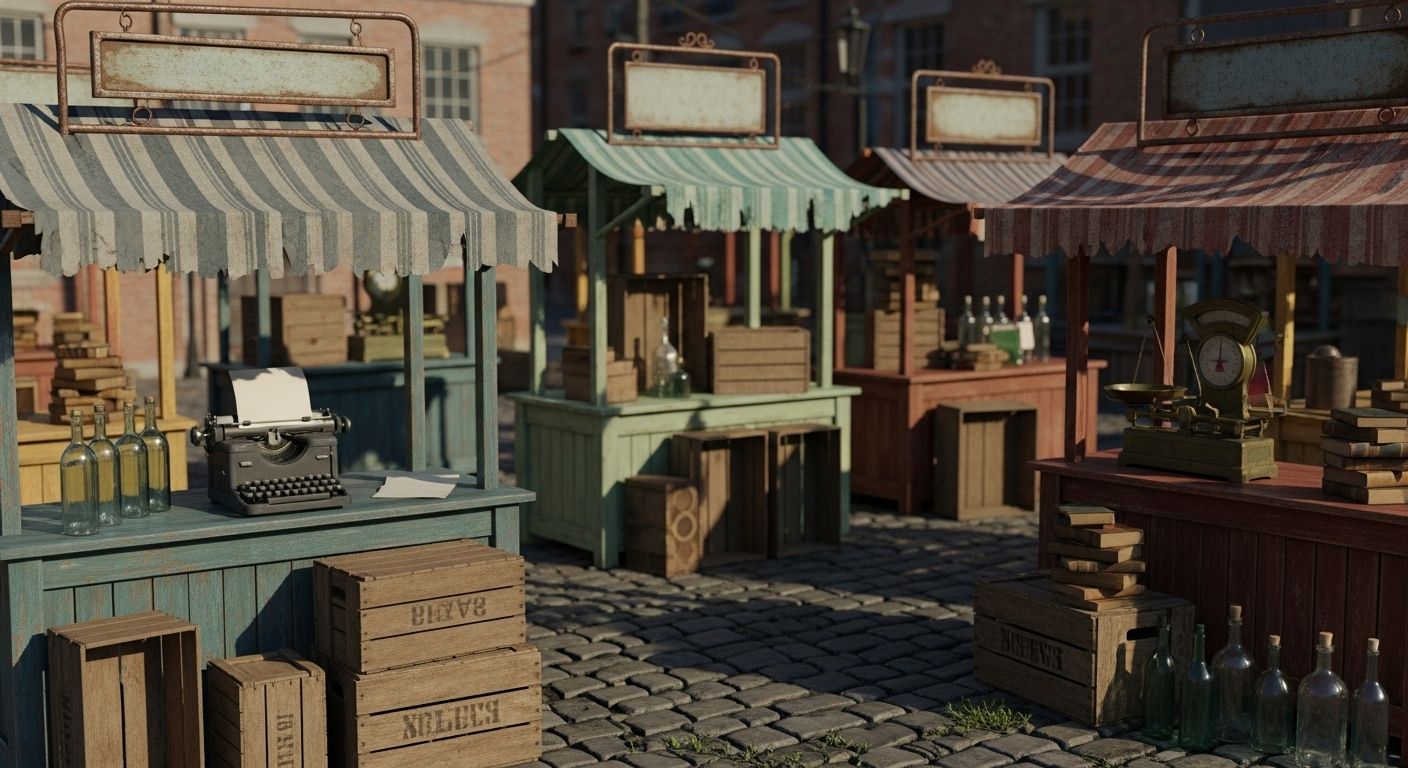
One minute you’re scrolling TikTok in sweatpants, the next you’re holding a 1950s rotary phone that still kinda works—and suddenly, you’re *that* person who buys a $40 “vintage” typewriter just to prop open your back door. Welcome to the world of vintage market days vendors, where nostalgia isn’t just a feeling—it’s a full-blown economy. But behind every chipped teacup and velvet Elvis painting is a vendor who spent hours digging through dusty barns, estate sales, and grandma’s attic (with permission, we hope). And guess what? These folks aren’t just hoarders with good taste—they’re savvy small biz owners riding a wave of retro revival. According to a 2025 Antique Trade Gazette report, **72% of Gen Z and Millennial shoppers** now prefer vintage or secondhand goods over new mass-produced items. So yeah—vintage market days vendors aren’t just surviving; they’re thriving.
Who’s Behind the Booth? Meet the Faces of Vintage
So, what kind of vendors are at Vintage Market Days? Buckle up, buttercup—it’s a wild mix. You’ve got the **estate sale hustlers**, who show up at 6 a.m. armed with flashlights and negotiation skills sharper than their pocket knives. Then there’s the **upcyclers**, turning old windows into greenhouse shelves and whiskey barrels into coffee tables. Don’t forget the **curators**, who treat their booths like mini museums—complete with origin stories for each piece (“This lamp lit Eleanor Roosevelt’s guest room… maybe”). And of course, the **family dynasties**—third-gen antique dealers who can spot a fake Depression glass from across a parking lot. All of ’em fall under the big, glittery umbrella of vintage market days vendors, and each brings something different to the table (sometimes literally—a 1920s oak dining set, anyone?).
Treasure Hunters Unite: Where Do They Even Find This Stuff?
“Where do flea market vendors get their merchandise?”—a question whispered in hushed tones by wide-eyed first-timers clutching their $5 wicker baskets. The truth? It’s part detective work, part luck, and part straight-up grit. Many vintage market days vendors source from estate liquidations, thrift store backrooms (yes, there’s a “secret” section), garage sales in wealthy suburbs, and even online auctions like eBay or Facebook Marketplace. Some hit rural flea markets at dawn to score before the crowds. Others build relationships with families clearing out homes after a loved one passes—handling those moments with grace and respect. One vendor in Nashville told us, “I found a whole box of 1940s silk scarves in a shed behind a farmhouse. Paid $20. Sold ’em for $300 each.” Moral of the story? Keep your eyes peeled and your trunk empty.
Top 5 Sourcing Spots for Vintage Market Days Vendors
- Estate sales (especially in historic neighborhoods)
- Thrift stores with “donor drop-off” access
- Rural barn auctions (bring cash and boots)
- Online liquidation lots (via platforms like B-Stock)
- Family hand-me-downs (the OG supply chain)
What Actually Moves Off the Table? Spoiler: Not Everything
Let’s cut through the rose-tinted glasses: not every vintage find sells. But what sells most at a flea market? Data from the National Flea Market Association says **small home decor**, **jewelry**, **vinyl records**, **mid-century kitchenware**, and **quirky signage** fly off tables faster than free samples at Costco. Think Pyrex bowls, enamel pins, brass candlesticks, and anything with “EST. 1923” on it. Big furniture? Harder to move unless you offer delivery (pro tip: partner with a local mover). And please—skip the broken lamps unless you’re an electrician. Vintage market days vendors who succeed know their audience: they stock portable, photogenic, and functional pieces. After all, nobody’s lugging a clawfoot tub onto the subway… unless it’s Brooklyn.
The Art of the Booth: Less Clutter, More Magic
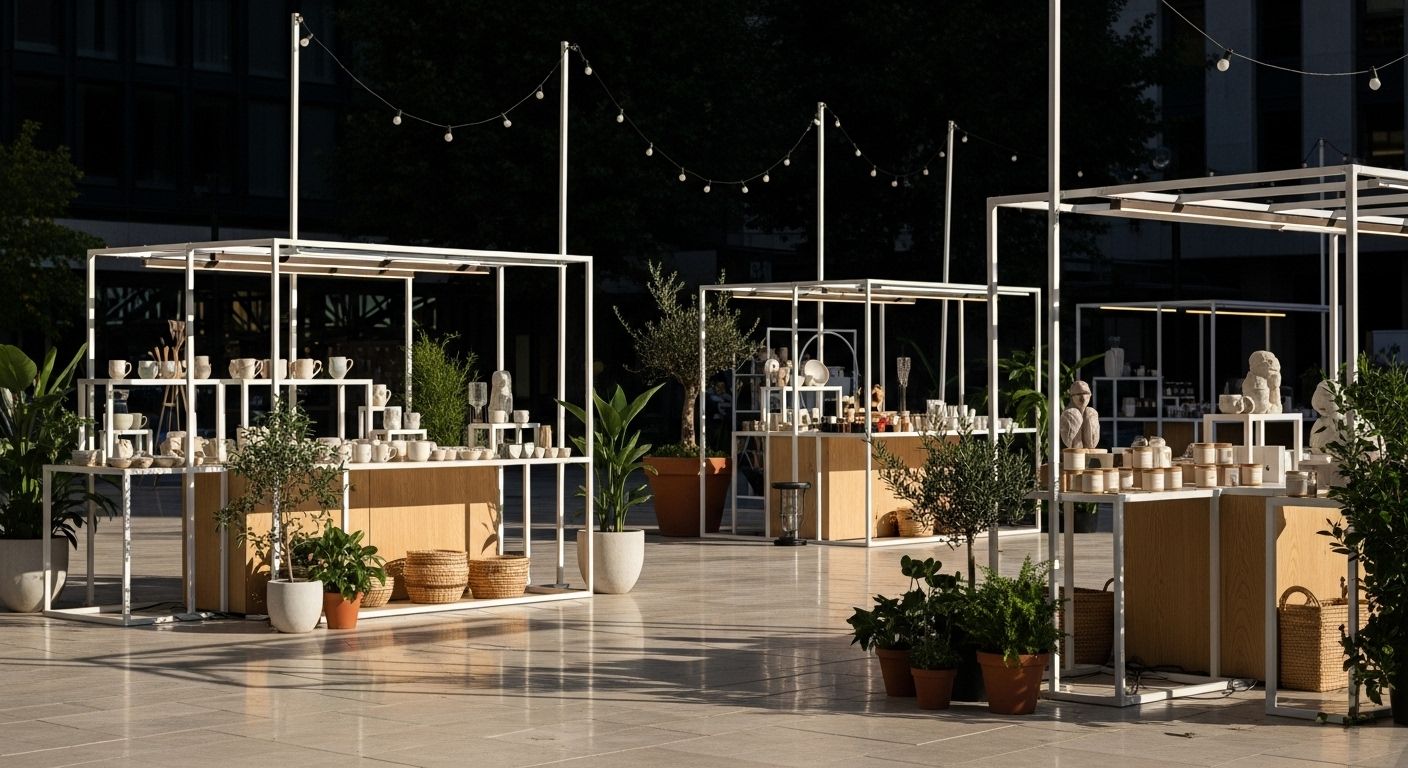
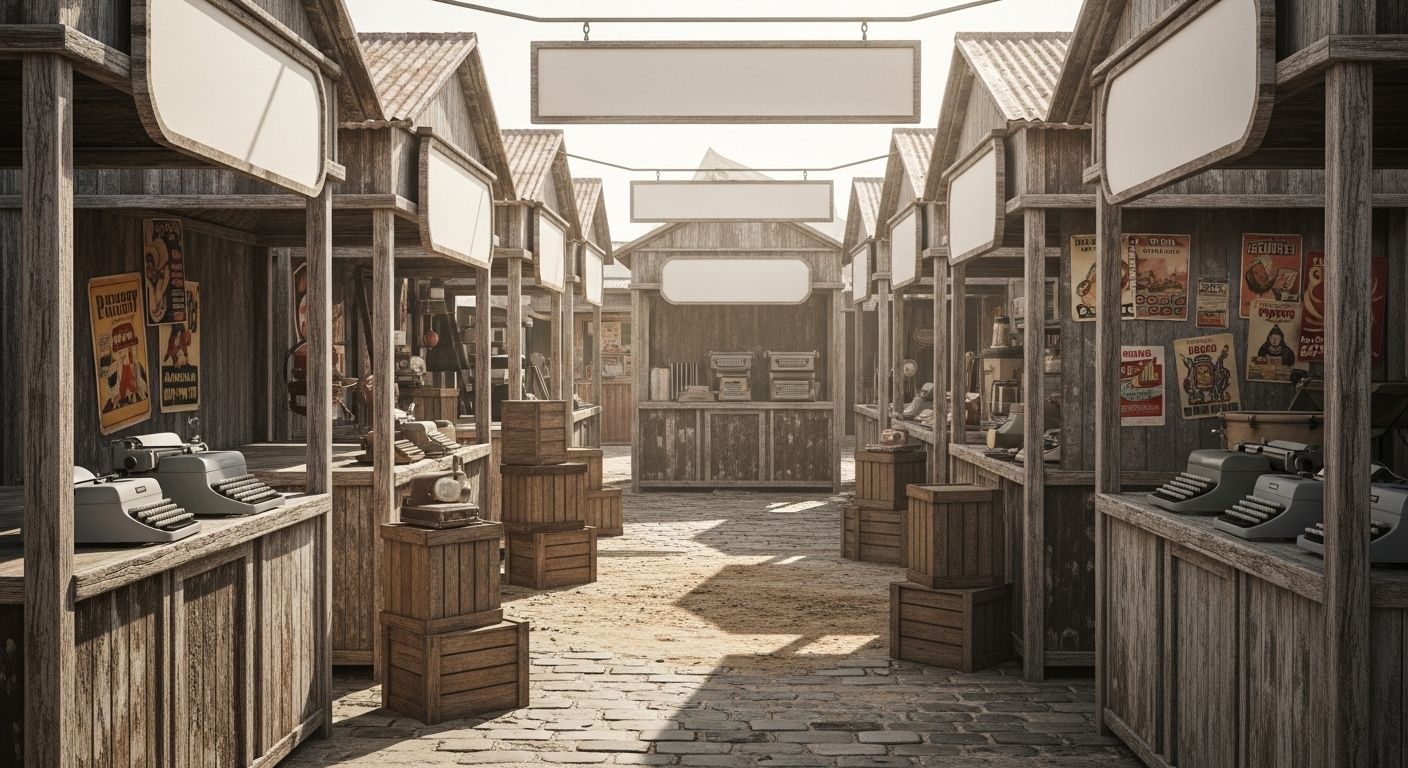
Ever seen a booth so crammed with stuff you couldn’t tell if it was a yard sale or an archaeological dig? Yeah… don’t be that vendor. The best vintage market days vendors treat their space like a stage. They use height (stacked crates, vintage ladders), lighting (fairy lights = instant mood), and storytelling (“This suitcase traveled from Paris to Peoria in 1938!”). Group items by color or era—not by “whatever fits.” And for heaven’s sake, price clearly. Nobody wants to play “Guess the Price” when they’re holding a $120 art deco mirror. One Austin vendor swears by this rule: “If it doesn’t spark joy *and* fit in a tote bag, it stays home.” Smart. Sustainable. Sellable.
Dolla Dolla Bills, Y’all: Pricing Like a Pro
Pricing vintage ain’t math—it’s psychology. Too high, and you scare off browsers. Too low, and people think it’s junk. The sweet spot? **20–30% below retail value of comparable new items**, but adjusted for rarity and condition. A mint-condition 1970s band tee? $65–$120. A slightly chipped Fiestaware plate? $12–$20. And always—*always*—leave room for haggling. Most vintage market days vendors expect 10–15% negotiation, so bake that into your initial ask. Pro move: mark items with removable stickers so you can adjust prices mid-day if something’s not moving. Oh, and accept cards. Seriously. If you’re still “cash only,” you’re leaving money on the table (literally).
From Garage to Glam: Building a Vendor Rep
Showing up once won’t cut it. The real vintage market days vendors build relationships—with organizers, fellow sellers, and repeat customers. They post booth previews on Instagram (“New haul just dropped—think 1960s barware!”), collect emails for “first dibs” lists, and hand out cute business cards made from recycled paper. Consistency matters: same market, same spot, same friendly face. One vendor in Portland grew her biz from one booth to three markets a month just by remembering customers’ names and what they bought last time (“Back for more salt & pepper shakers, Linda?”). That’s not sales—that’s community. And community sells.
Regional Flair: Why Texas Isn’t Brooklyn (And That’s Okay)
Down in Dallas, vintage market days vendors move cowboy boots, turquoise jewelry, and oil-rig memorabilia like hotcakes. Up in Seattle? Think raincoats from the ‘80s, Nordic wood carvings, and vinyl from grunge bands. In Miami? Neon Art Deco frames and Cuban coffee pots dominate. Your location shapes demand—so lean into your roots. A Charleston vendor told us, “I stopped importing French linens and started sourcing Lowcountry sweetgrass baskets. Sales doubled.” Authenticity beats generic every time. And hey—if your booth screams “I Googled ‘vintage’,” locals will sniff it out faster than a bloodhound.
How to Find Vendors for an Event (If You’re the Organizer)
Flip the script for a sec: “How to find vendors for an event?” If you’re curating a vintage market, don’t just blast a form link and pray. Visit other markets. Follow hashtags like #VintageVendorLife. Ask past attendees, “Who was your fave seller?” The best vintage market days vendors are often booked months in advance—so reach out early with clear perks: prime spots, promo features, or waived fees for BIPOC/LGBTQ+ owned businesses. And communicate like a human: “Hey Maya, loved your booth at Oak Street Market—want in on ours?” beats a cold email any day. Build trust, and they’ll bring their A-game (and their customer base).
Your Time Machine Awaits—Go Claim Your Corner
Whether you’re selling grandma’s china or upcycled denim jackets, the world of vintage market days vendors is waiting with open arms (and slightly dusty hands). It’s not about perfection—it’s about passion, hustle, and knowing that someone out there will cry happy tears over that weird ceramic frog you found in a dumpster. Ready to dive in? Start by exploring the Events By Gather homepage for vendor guides and market calendars. Dig deeper in our dedicated Vendors hub, packed with pricing templates and sourcing checklists. Or get inspired by real success stories in our feature, Small Business Vendor Events: Grow Your Brand. Your vintage empire starts with one booth—one treasure at a time.
Frequently Asked Questions
What kind of vendors are at Vintage Market Days?
Vintage Market Days typically feature a mix of estate sale resellers, upcyclers, antique dealers, and specialty curators who sell everything from mid-century furniture and retro clothing to vintage jewelry and collectible home goods. These vintage market days vendors often focus on authenticity, storytelling, and unique finds you won’t see in mainstream stores.
How to find vendors for an event?
Event organizers can find quality vendors by attending other markets, using social media hashtags like #VintageVendor, joining vendor networks, and reaching out directly to sellers with personalized invites. Building relationships with vintage market days vendors early—and offering clear benefits—increases participation and booth quality.
Where do flea market vendors get their merchandise?
Flea market vendors source merchandise from estate sales, thrift stores, online auctions, rural barn sales, liquidation lots, and family inheritances. Successful vintage market days vendors often develop long-term relationships with suppliers and hone their eye for undervalued, authentic pieces with resale potential.
What sells most at a flea market?
The top-selling items at flea markets include small home decor (like Pyrex or brass candlesticks), vintage jewelry, vinyl records, quirky signage, and functional mid-century kitchenware. These items are portable, photogenic, and priced accessibly—key traits that help vintage market days vendors maximize sales and turnover.
References
- https://www.antiquetrade.com/market-trends-2025
- https://www.nationalfleamarket.org/vendor-sales-data
- https://www.recommerce.org/gen-z-shopping-habits
- https://www.sba.gov/business-guide/launch-your-business/price-your-products