Average Cost for Florist for Wedding Bloom Vows
- 1.
What Even Is a Realistic Budget for a 100-Person Wedding?
- 2.
Breaking Down the Numbers: How Much Do Wedding Florists Cost?
- 3.
The Mysterious 3:5:8 Rule for Flowers—Explained Like You’re Not a Botanist
- 4.
Is $5,000 Enough for Wedding Flowers? Let’s Get Real
- 5.
Floral Styles That Won’t Wreck Your Wallet (But Still Look Fancy as Hell)
- 6.
Seasonality Is Your Secret Weapon (Seriously, Don’t Ignore It)
- 7.
DIY vs. Hiring a Pro—When to Save and When to Splurge
- 8.
Hidden Costs That Sneak Into Your Floral Budget (Watch Out!)
- 9.
How Location Changes Everything (From Texas to Maine)
- 10.
Smart Ways to Stretch Your Floral Budget Without Sacrificing Vibe
Table of Contents
average cost for florist for wedding
What Even Is a Realistic Budget for a 100-Person Wedding?
Y’all ever sit down with your partner, coffee in hand, spreadsheet open, and just whisper, “how the heck are we gonna afford this?” Yeah, we’ve been there too. When it comes to a 100-person wedding—big enough to feel like a proper party but not so huge you’re renting out a football stadium—the average cost for florist for wedding can swing wildly depending on where you’re tying the knot, what season it is, and whether you’re going full English garden or minimalist desert chic. Nationally, couples in the U.S. typically spend between $1,500 and $5,000 on flowers alone. But hey, don’t let that scare ya—if you’re smart about sourcing, timing, and design choices, you can absolutely get lush, Insta-worthy blooms without selling a kidney.
Breaking Down the Numbers: How Much Do Wedding Florists Cost?
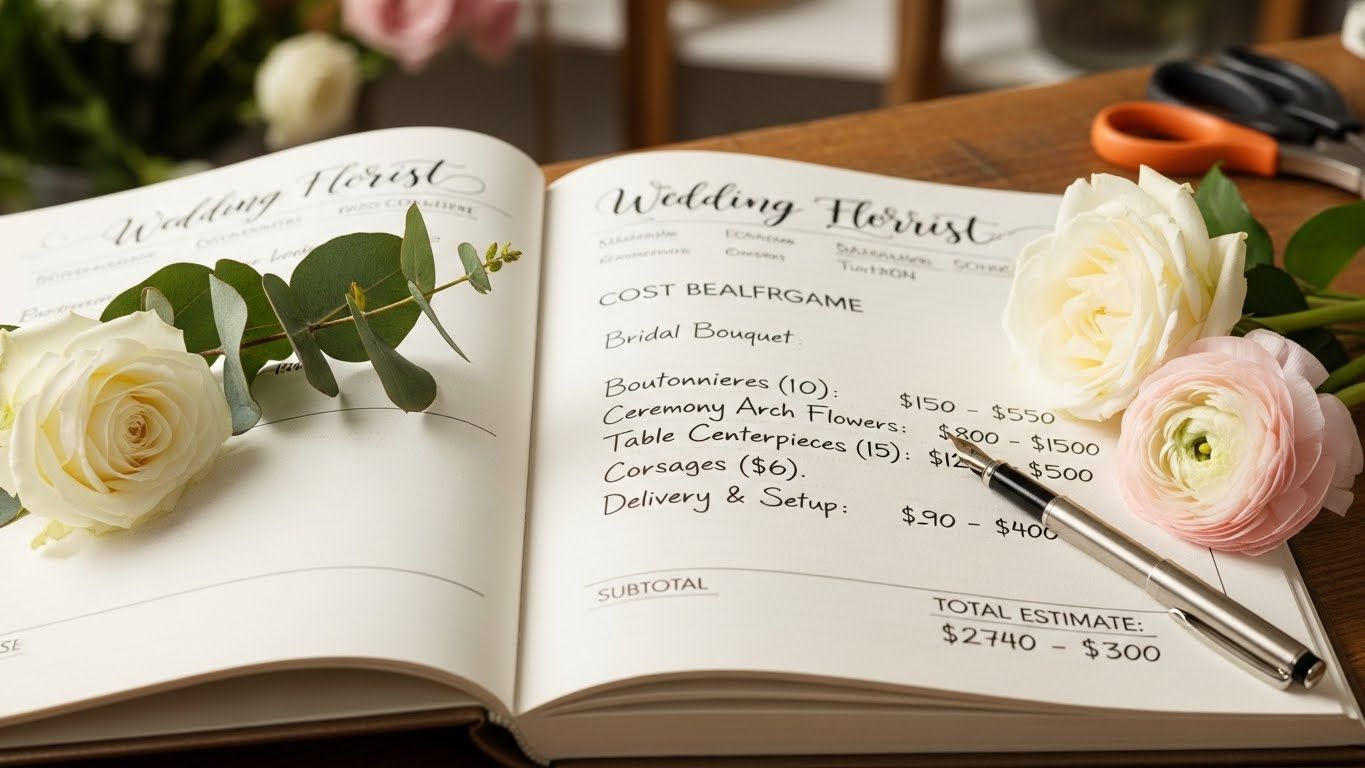
Alright, let’s talk brass tacks. The average cost for florist for wedding isn’t just one flat number—it’s a whole spectrum. Entry-level floral designers might charge as low as $800 for basic arrangements (think aisle petals, a couple of centerpieces, and a modest bouquet), while high-end studios in cities like NYC or LA can easily bill $10,000+ for full-service installations, hanging chandeliers made of peonies, and floral arches that look like they were plucked straight from a fairy tale. Most folks land somewhere in the middle—around $2,500 to $4,000—and that usually covers bouquets, boutonnieres, ceremony decor, and reception centerpieces. Pro tip? Always ask if your florist includes delivery, setup, and breakdown in their quote. Some sneaky ones don’t, and those “extras” can add up faster than your aunt’s third glass of champagne.
The Mysterious 3:5:8 Rule for Flowers—Explained Like You’re Not a Botanist
Ever heard of the 3:5:8 rule? Sounds like some ancient secret code, right? Nah, it’s actually a handy little guideline used by seasoned planners to balance floral investment across key areas. Here’s the tea: allocate 3 parts of your floral budget to personal flowers (bouquets, corsages, boutonnieres), 5 parts to ceremony decor (arches, pew markers, altar arrangements), and 8 parts to reception florals (centerpieces, lounge accents, cake table blooms). This ratio ensures your average cost for florist for wedding feels intentional and visually cohesive—not like you blew all your cash on a killer bouquet and left the reception tables looking like a sad IKEA showroom. Keep in mind, though, this ain’t gospel—just a starting point if you’re feeling overwhelmed.
Is $5,000 Enough for Wedding Flowers? Let’s Get Real
Short answer? Heck yeah—if you’re strategic. With a $5,000 budget for your average cost for florist for wedding, you’re sitting pretty in the sweet spot. That’ll get you a pro designer, seasonal blooms (which are way cheaper than flown-in orchids in January), and enough greenery to make your venue look like it was kissed by Mother Nature herself. You could even splurge on one showstopper piece—like a suspended floral cloud above the dance floor—without breaking the bank. Just remember: local = cheaper, in-season = smarter, and faux filler (like eucalyptus or ferns) = your new best friend. Oh, and skip the roses in December unless you wanna pay premium holiday markup.
Floral Styles That Won’t Wreck Your Wallet (But Still Look Fancy as Hell)
Not all floral dreams cost a fortune. In fact, some of the most stunning weddings lean into simplicity. Think wildflower meadows, monochromatic palettes, or even dried arrangements (yes, they’re trendy *and* budget-friendly). By choosing loose, garden-style designs over tightly packed, symmetrical bouquets, you use fewer stems per arrangement—which directly lowers your average cost for florist for wedding. And don’t sleep on greenery! A garland of ivy or olive branches down the center of a long table costs way less than 10 individual bud vases but looks ten times more luxe. Trust us, your guests won’t know the difference—they’ll just think you’ve got impeccable taste (and deep pockets).
Seasonality Is Your Secret Weapon (Seriously, Don’t Ignore It)
Peonies in July? Easy. Peonies in November? Prepare to fork over $12 a stem. Timing your wedding to match bloom seasons is one of the smartest ways to keep your average cost for florist for wedding under control. Spring brings tulips, ranunculus, and lilacs; summer offers sunflowers, dahlias, and zinnias; fall gives you rich mums and marigolds; winter? Think amaryllis, anemones, and hellebores. Work with your florist to build a palette around what’s naturally available—that way, you’re not paying insane import fees or greenhouse markups. Bonus: seasonal flowers often smell better and last longer. Win-win.
DIY vs. Hiring a Pro—When to Save and When to Splurge
Look, we get it—Pinterest makes DIY floral arrangements look like a breeze. But unless you’ve got a green thumb, a squad of crafty friends, and zero desire to enjoy your wedding morning, maybe don’t go full Martha Stewart. For the average cost for florist for wedding, hiring a pro ensures everything stays fresh, on-theme, and actually *arrives* at the venue. That said, you *can* save on simpler elements: buy bulk greenery for aisle decor, grab pre-made bud vases for cocktail hour, or repurpose ceremony flowers for the reception. Just be real about your time, skill, and stress tolerance. Your future self will thank you when you’re sipping mimosas instead of wrestling with floral tape at 6 a.m.
Hidden Costs That Sneak Into Your Floral Budget (Watch Out!)
Here’s the thing nobody tells you: the sticker price on your floral proposal? That’s rarely the final number. Common hidden fees include delivery (especially if your venue’s remote), labor for complex installations, vase rentals, and overtime if your reception runs late. Some florists even charge “fragility fees” for delicate blooms like gardenias. To avoid nasty surprises, always ask for an itemized quote that spells out every possible cost tied to your average cost for florist for wedding. And read the fine print—cancellation policies, substitution clauses, and weather contingencies matter more than you think. Better to over-ask now than cry over wilted hydrangeas later.
How Location Changes Everything (From Texas to Maine)
Your zip code plays a bigger role in your average cost for florist for wedding than you’d think. In rural areas, you might find local growers selling buckets of blooms for $50—but you’ll likely need to handle arranging yourself. In major metros, talent is abundant, but so are overhead costs (studio rent, staff wages, insurance), which get passed to you. Coastal states often have higher floral prices due to tourism demand, while Midwest venues might offer more bang for your buck. If you’re eloping in Sedona or throwing a barn bash in Vermont, factor in travel fees for your florist—they might not be local, even if they *sound* local. Always confirm service radius before falling in love with a portfolio.
Smart Ways to Stretch Your Floral Budget Without Sacrificing Vibe
Alright, here’s where we drop some golden nuggets. First, repurpose, repurpose, repurpose! Ceremony altar arrangements can become sweetheart table backdrops; bridesmaids’ bouquets can double as guest table centerpieces. Second, mix real and faux—high-quality silk peonies in tall vases look convincing from a distance and cost pennies. Third, go bold with fewer pieces: one dramatic floral column at the entrance beats ten sad bud vases. And finally, link up with Events By Gather for planning hacks, check out our Budget section for real couple breakdowns, or dive deep into average cost for florals wedding bloom your day for flower-specific intel. Every dollar saved on filler is a dollar closer to that honeymoon upgrade.
Frequently Asked Questions
What is a realistic budget for a 100 person wedding?
For a 100-person wedding in the U.S., a realistic total budget ranges from $25,000 to $40,000, depending on location and style. Within that, the average cost for florist for wedding typically falls between $1,500 and $5,000, covering bouquets, ceremony decor, and reception centerpieces. Prioritize based on what matters most—some couples splurge on floral arches, others keep it simple with greenery and candles.
How much do wedding florists cost?
Wedding florists in the U.S. generally charge between $800 and $10,000+, with the average cost for florist for wedding hovering around $2,500–$4,000 for mid-range full-service design. Factors like region, season, flower types, and complexity of installations heavily influence pricing. Always request a detailed quote that includes setup, delivery, and breakdown fees.
What is the 3:5:8 rule for flowers?
The 3:5:8 rule is a budgeting guideline for floral allocation: 3 parts to personal flowers (bouquets, boutonnieres), 5 parts to ceremony decor (arches, aisle markers), and 8 parts to reception arrangements (centerpieces, lounge florals). This helps balance your average cost for florist for wedding across key visual moments without overspending in one area.
Is $5000 enough for wedding flowers?
Yes, $5,000 is more than enough for a stunning floral experience in most U.S. markets. With that budget, you can hire a professional designer, use seasonal blooms, and include statement pieces like a floral arch or hanging installation—all while keeping your average cost for florist for wedding within industry norms. Just avoid out-of-season or imported flowers to maximize value.
References
- https://www.theknot.com/content/wedding-flower-costs
- https://www.weddingwire.com/wedding-ideas/how-much-do-wedding-flowers-cost
- https://www.brides.com/wedding-flower-budget-guide
- https://www.marthastewartweddings.com/7892577/wedding-flower-cost-breakdown