Event Planning Sites Top Resources
- 1.
Ever Tried Planning a Party While Your Dog Ate the Guest List? Welcome to Event Planning.
- 2.
What Even Is “Event Planning”? (Spoiler: It’s More Than Just Pretty Chairs)
- 3.
The Five Stages of Event Planning (AKA How Not to Lose Your Mind)
- 4.
Wait—Some Say Seven Stages? Here’s the Tea.
- 5.
How to Start Event Planning Without Crying Into Your Laptop
- 6.
Free vs Paid: Which Event Planning Sites Actually Deliver?
- 7.
Hidden Gems: Underrated Features on Top Event Planning Sites
- 8.
Mobile Matters: Why Your Event Planning Site Must Work on the Go
- 9.
Client Love: How Event Planning Sites Build Trust (and Repeat Business)
- 10.
Your Next Move: Where to Find the Best Event Planning Sites
Table of Contents
event planning sites
Ever Tried Planning a Party While Your Dog Ate the Guest List? Welcome to Event Planning.
Y’all ever tried organizing a birthday bash only to realize you booked the bounce house for *next* Tuesday and your cousin’s gluten allergy means no cake? Yeah, that’s the wild, beautiful mess of event planning. Now imagine scaling that chaos to weddings, galas, or corporate shindigs with 300 people and a live llama. That’s where event planning sites come in—your digital fairy godmothers with Wi-Fi and way better spreadsheets. These platforms don’t just track RSVPs; they help you nail timelines, budget like a boss, and even remind you that “no, you can’t serve sushi at a rooftop BBQ in July.” Whether you’re a newbie with big dreams or a seasoned planner who just lost their coffee-stained notebook, the right event planning sites turn panic into polish. And honey, we’ve tested ‘em all—so you don’t have to cry over spilled punch again.
What Even Is “Event Planning”? (Spoiler: It’s More Than Just Pretty Chairs)
Alright, let’s get real: event planning ain’t just picking napkin colors or snapping mood boards on Pinterest. It’s logistics, psychology, diplomacy, and emergency improv—all wrapped in a blazer that somehow stays wrinkle-free. At its core, event planning means crafting an experience that feels effortless to guests but took 87 drafts, three vendor meltdowns, and one near-miss with a faulty fog machine to pull off. And today’s top event planning sites are built to handle every layer—from venue mapping to dietary filters to “why is the DJ playing polka?” crisis mode. They’re the backstage crew that makes your show look like magic. So yeah, it’s more than chairs. It’s controlled chaos with confetti.
The Five Stages of Event Planning (AKA How Not to Lose Your Mind)
Most pros break event planning into five key phases—and the best event planning sites mirror this flow like a GPS for your sanity. First up: Research & Goal Setting (what’s the vibe? Who’s coming? Can we afford a chocolate fountain?). Then Budgeting & Sourcing—where your event planning sites shine by comparing vendors side-by-side. Next: Design & Logistics (floor plans, timelines, backup tents for rain). Followed by Execution—the big day, baby! Finally, Evaluation (did Aunt Carol really need six cocktails?). Nail these stages with the right tools, and you’ll look like a wizard who never broke a sweat.
Wait—Some Say Seven Stages? Here’s the Tea.
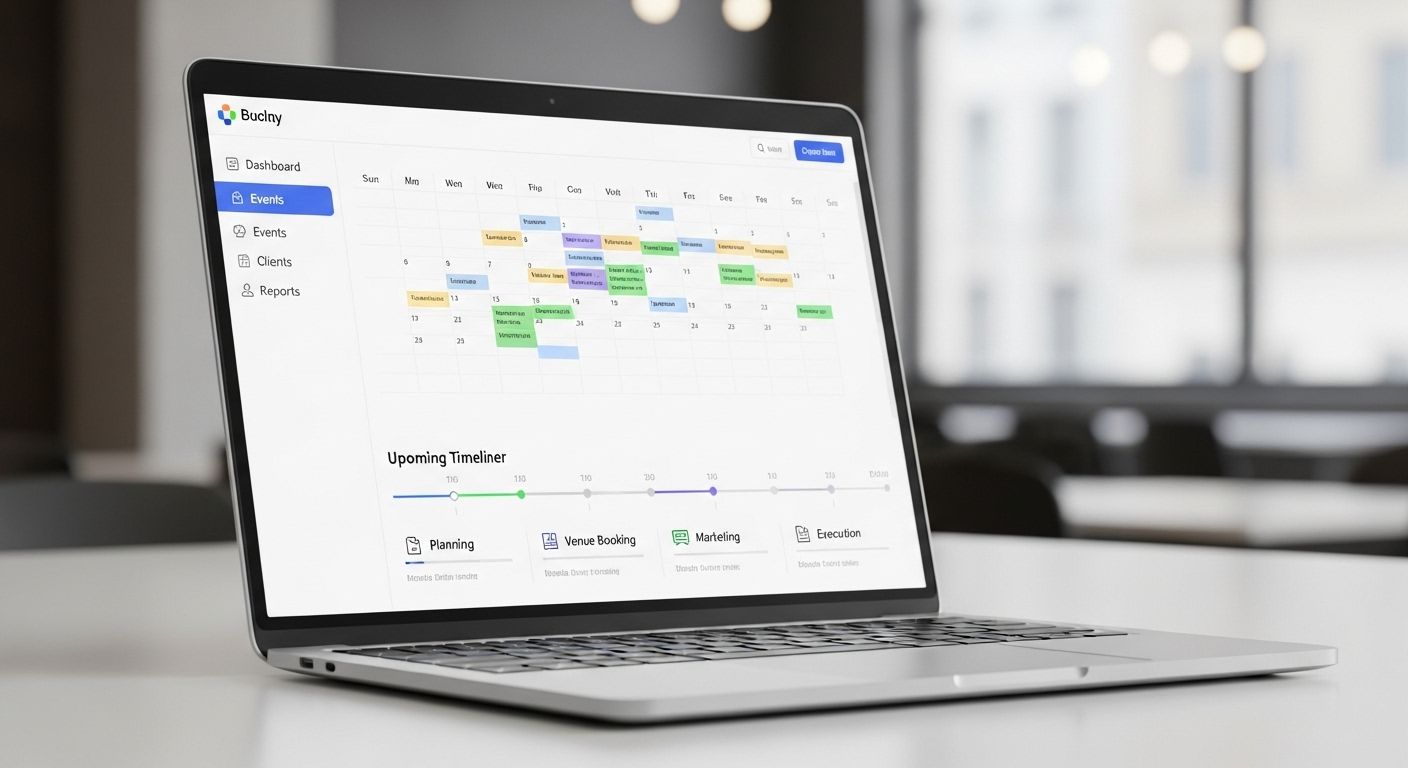
Hold up—didn’t someone say there are seven stages of event planning? Yep, and honestly, both models work. The expanded version splits things finer: 1) Concept & Objectives, 2) Budget Draft, 3) Venue & Vendor Booking, 4) Marketing & Invites, 5) On-Site Coordination, 6) Real-Time Problem Solving, and 7) Post-Event Wrap-Up (thank-yous, invoices, therapy). The beauty? Top-tier event planning sites now support all seven—automating reminders, syncing calendars, even generating post-event surveys. So whether you’re team “five” or team “seven,” your event planning sites got your back like a trusty fanny pack full of safety pins and breath mints.
How to Start Event Planning Without Crying Into Your Laptop
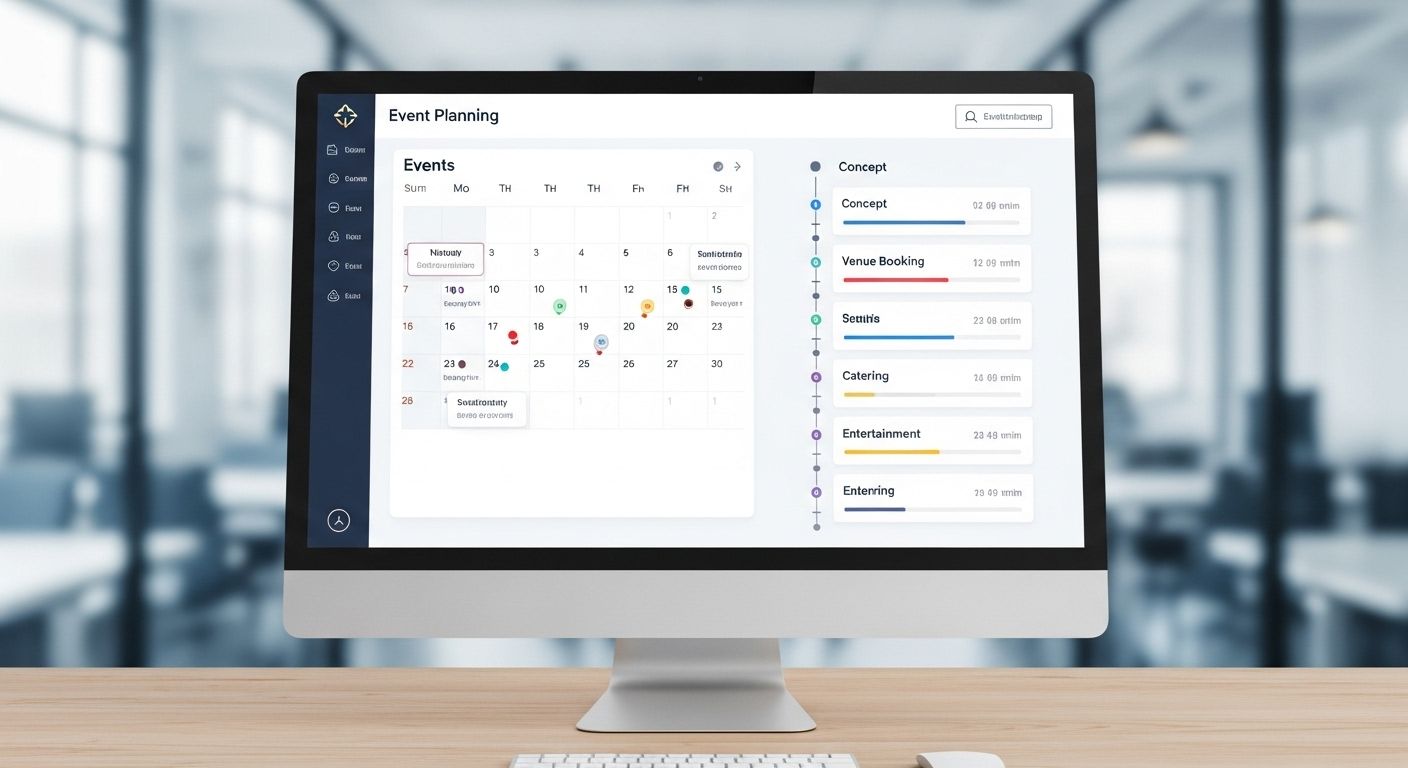
So you wanna dive into event planning? First—breathe. Second—grab a solid event planning site. Seriously, don’t wing it with sticky notes and hope. Start by defining your event type (wedding? product launch? quinceañera?), then pick a platform that matches your scale. Free tools like Trello work for micro-events, but for anything with contracts, payments, or more than 50 guests, invest in dedicated event planning sites like Gather, HoneyBook, or Aisle Planner. They’ll walk you through checklists, connect you to vetted vendors, and even calculate how many porta-potties you need (yes, really). Pro tip: start small, learn the lingo (“load-in time,” “AV rider”), and never skip the contract review. Your future self will send you flowers.
Free vs Paid: Which Event Planning Sites Actually Deliver?
Not all event planning sites are created equal—and “free” often means “you’ll pay in tears later.” Free tiers (looking at you, basic Google Forms) lack integrations, payment tracking, and client portals. Meanwhile, paid platforms ($20–$300/month USD) offer CRM, e-signatures, budget dashboards, and real-time collaboration. For example, a $49/month plan might save you $2K in double-booked vendors. Below’s a quick snapshot:
| Platform | Best For | Starting Price (USD) |
|---|---|---|
| Gather | Full-service weddings & luxury events | $79/mo |
| HoneyBook | Freelancers & small biz | $19/mo |
| Eventbrite | Ticketed public events | Free + fees |
| Aisle Planner | Wedding & social planners | $99/mo |
Hidden Gems: Underrated Features on Top Event Planning Sites
Y’all sleeping on the *real* superpowers of event planning sites. Beyond calendars and contacts, the good ones offer AI-powered budget alerts (“Hey, your florist just blew past 30% of your total!”), guest sentiment analysis from RSVP notes, and even weather-risk scoring for outdoor venues. Some auto-generate run-of-show documents with minute-by-minute cues. Others integrate with Spotify so your playlist syncs with dinner service. And get this—one platform even tracks vendor no-show history (RIP, “Balloon Guy Steve”). These aren’t bells and whistles—they’re lifelines. So when you’re comparing event planning sites, dig past the homepage glitter. The magic’s in the details.
Mobile Matters: Why Your Event Planning Site Must Work on the Go
Let’s be real—you’re not planning events from a desk. You’re in a parking lot arguing with a caterer, under a tent checking lighting, or hiding in a bathroom stall during cocktail hour. That’s why the best event planning sites have killer mobile apps. Look for offline access, push notifications for timeline changes, and photo uploads to log setup progress. Nothing worse than realizing your iPad died and you can’t find the seating chart. A solid mobile experience means your event planning sites stay useful even when Wi-Fi’s spotty and your hands are covered in glitter glue. Because glam shouldn’t mean glitchy.
Client Love: How Event Planning Sites Build Trust (and Repeat Business)
Here’s the secret sauce: great event planning sites don’t just organize *your* workflow—they wow your clients. Shared portals let couples upload inspo pics, approve invoices with one tap, and track their budget in real time. No more “Did you book the photographer?” texts at midnight. Transparency = trust. And trust = referrals, five-star reviews, and clients who actually pay on time. One planner told us, “Since I switched to a proper event planning site, my client retention jumped 60%.” That’s not tech—it’s business alchemy. So if you’re going pro, treat your platform like your silent salesperson. Dress it sharp, keep it updated, and let it do the heavy lifting while you sip champagne (responsibly).
Your Next Move: Where to Find the Best Event Planning Sites
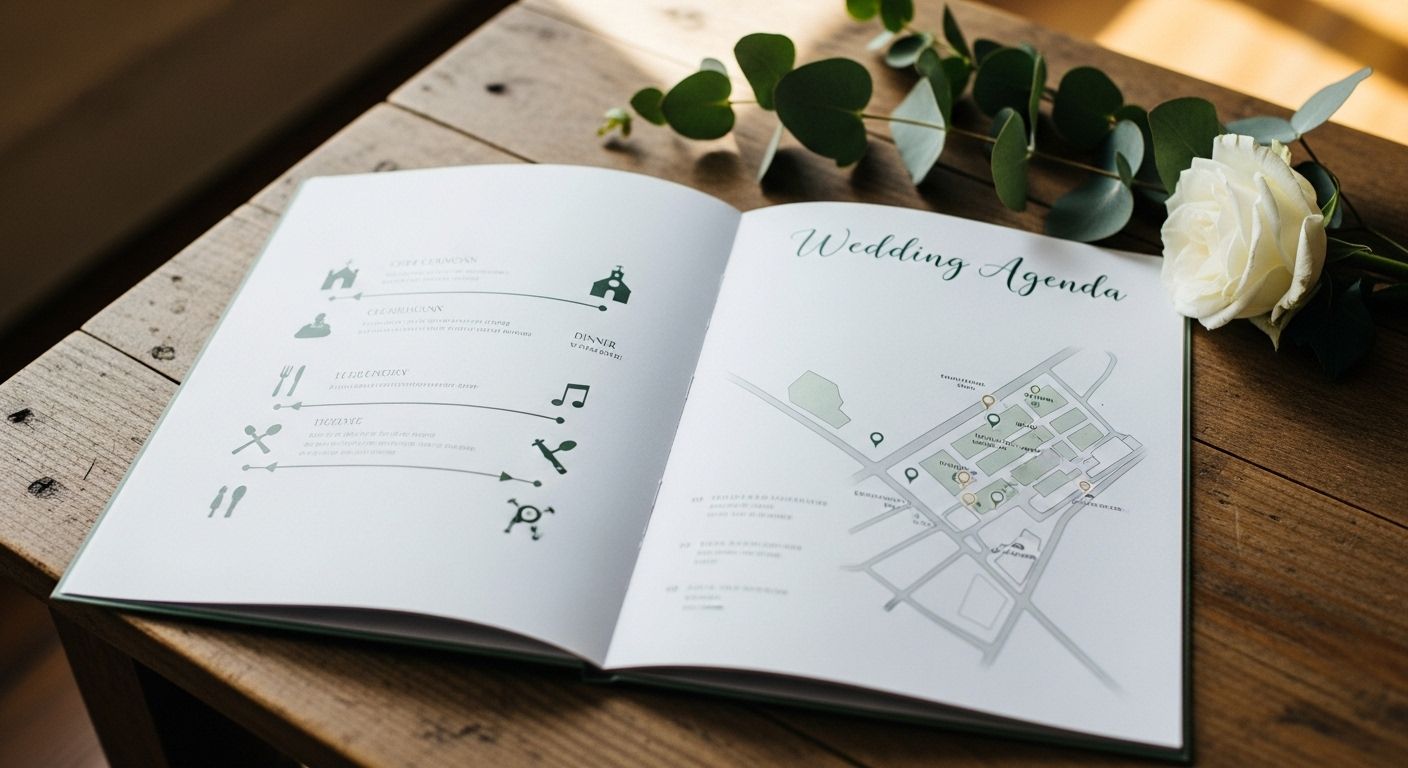
Ready to ditch the chaos? Start by exploring trusted hubs that curate the best tools. We always point folks to Events By Gather for handpicked, planner-tested platforms. Dive deeper in the Planning section for breakdowns, or check out our no-BS guide: Typical Wedding Day Schedule Insider Guide—because even the best event planning sites need a human touch to time that first dance just right. Go on, click around. Your future organized, well-rested, slightly-less-stressed self is waiting.
Frequently Asked Questions
What are the 5 stages of event planning?
The 5 stages of event planning are: 1) Research & Goal Setting, 2) Budgeting & Vendor Sourcing, 3) Design & Logistics, 4) Execution, and 5) Post-Event Evaluation. Leading event planning sites support each phase with tools for vision boarding, cost tracking, timeline management, and feedback collection—turning overwhelming tasks into manageable steps.
What is the meaning of event planning?
Event planning means orchestrating all elements of an occasion—logistics, design, staffing, and experience—to create a seamless, memorable moment for guests. It blends creativity with project management, and modern event planning sites provide the digital infrastructure to handle everything from contracts to catering without losing your cool.
How to start event planning?
To start event planning, define your event type and budget, then choose reliable event planning sites that offer checklists, vendor directories, and budget trackers. Begin with small events to build experience, use templates, and always prioritize clear communication. The right platform turns beginners into confident coordinators faster than you can say “emergency kit.”
What are the 7 stages for event planning?
The 7 stages for event planning include: 1) Concept Development, 2) Budget Drafting, 3) Venue & Vendor Booking, 4) Marketing & Invitations, 5) On-Site Coordination, 6) Real-Time Crisis Management, and 7) Post-Event Review. Advanced event planning sites automate workflows across all seven stages, ensuring nothing slips through the cracks—even when the cake does.
References
- https://www.eventmanagerblog.com/event-planning-stages
- https://www.weddingwire.com/wedding-planning/event-planning-process
- https://www.forbes.com/sites/forbesbusinesscouncil/2023/05/15/the-future-of-event-planning-technology
- https://www.smartmeetings.com/articles/event-planning-basics-for-beginners