
Seating for Wedding Ceremony Plan Perfect Layout
- 1.
Ever Wondered Where Your Weird Uncle Should Sit? (Spoiler: Not in the Front Row)
- 2.
What’s the Standard Seating Order for a Wedding Ceremony?
- 3.
Where Do Parents Sit at a Wedding Ceremony? (The Emotional Hot Seat)
- 4.
Divorced Parents? Here’s How to Keep the Peace (and the Tears Flowing Happy)
- 5.
How Many Chairs Do You Actually Need? (Math, But Make It Romantic)
- 6.
Alternative Seating Layouts That’ll Wow Your Guests
- 7.
The 50-30-20 Rule for Weddings—Does It Apply to Seating Too?
- 8.
Accessibility Isn’t Optional—It’s Essential
- 9.
Pro Tips from Real Planners (Who’ve Seen It All)
- 10.
DIY vs. Professional Setup: What’s Worth the Splurge?
- 11.
Frequently Asked Questions
Table of Contents
seating for wedding ceremony
Ever Wondered Where Your Weird Uncle Should Sit? (Spoiler: Not in the Front Row)
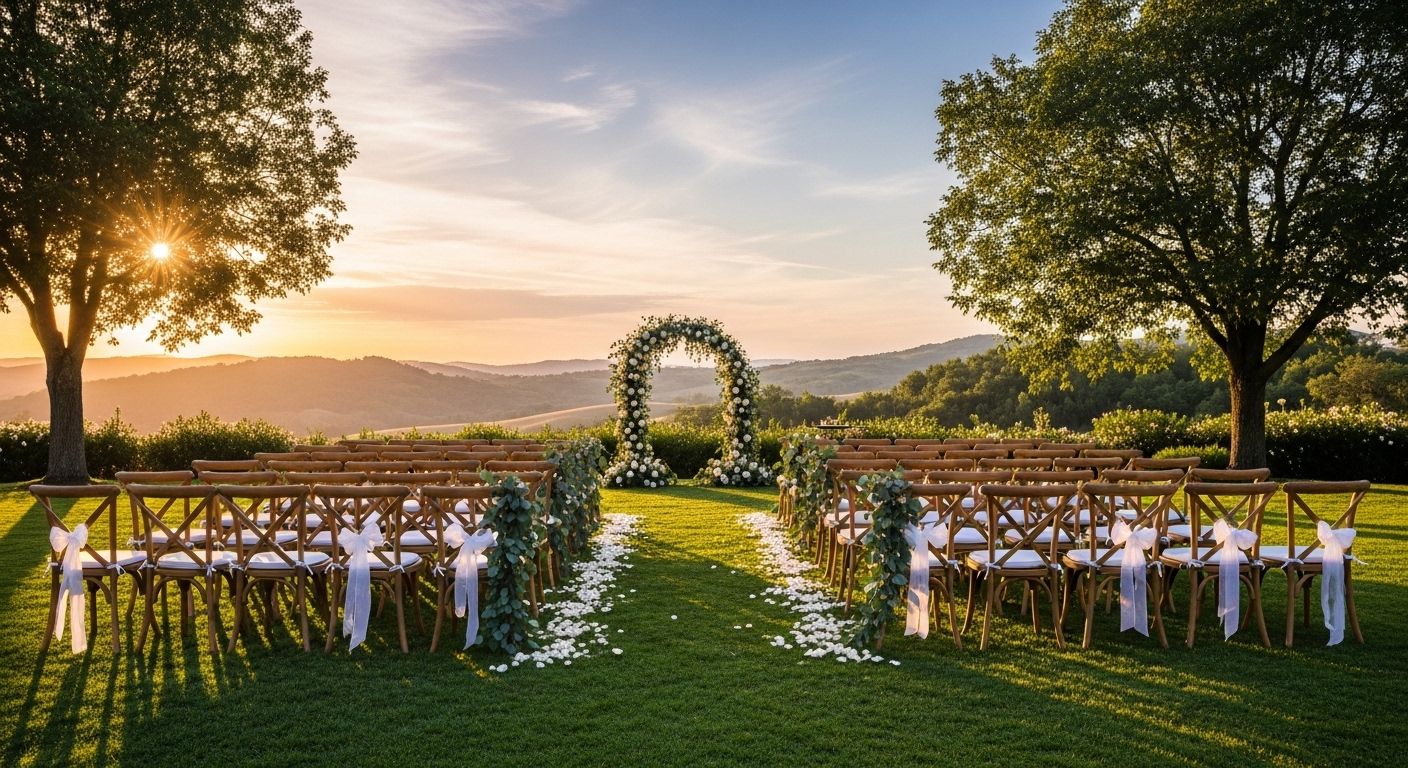
Picture this: you’re walkin’ down the aisle, heart racin’, eyes misty… and then you spot Uncle Louie in the front row pickin’ his nose like it’s a competitive sport. 😬 Yeah, that’s why seating for wedding ceremony ain’t just about chairs—it’s about *strategy*. Like chess, but with more lace and emotional landmines. Who sits where can make or break the vibe. Too close to feuding cousins? Disaster. Too far from Grandma? She’ll think you forgot she exists. So yeah—seating for wedding ceremony is part art, part peacekeeping mission, and 100% worth gettin’ right.
What’s the Standard Seating Order for a Wedding Ceremony?
Traditionally, the seating for wedding ceremony follows a simple rule: bride’s side on the left, groom’s on the right—as you face the altar. But in 2025? Many couples are ditching that in favor of “open seating” (aka “choose your own adventure”) or even *mixed sections* to symbolize unity. Still, if you’re honoring tradition:
- Front row, left: Bride’s parents, siblings, grandparents
- Front row, right: Groom’s parents, siblings, grandparents
- Second row: Aunts, uncles, close friends
- Back rows: Coworkers, distant relatives, +1s
Oh, and the *very* front? Reserved for the wedding party—though they usually stand during the ceremony. Pro tip: label each side with cute signs like “Team Sparkle” and “Team Thunder” so guests don’t accidentally sit next to their ex.
Where Do Parents Sit at a Wedding Ceremony? (The Emotional Hot Seat)
Parents—especially the ones who bankrolled your dream day—get prime real estate. In traditional seating for wedding ceremony setups:
- Bride’s mother is seated last before the bridal party enters (cue emotional music)
- Bride’s father walks her down the aisle, then sits beside Mom
- Groom’s parents are already seated on the right before the processional begins
But modern couples? They’re gettin’ creative. Some have both dads walk the bride. Others seat all four parents together in a “family row” to show blended love. Just make sure everyone knows the plan *before* the music starts—nobody wants awkward shuffling during the string quartet’s big moment.
Divorced Parents? Here’s How to Keep the Peace (and the Tears Flowing Happy)
Alright, real talk: seating for wedding ceremony gets spicy when parents are divorced. But it doesn’t have to be a soap opera. Here’s the golden rule: *never* make them sit together unless they’ve explicitly said it’s cool. Instead:
- Seat them in separate front rows (e.g., Mom in row 1 left, Dad in row 1 right)
- Or place them both in row 1 but with a buffer (like a sibling or close friend between them)
- If tension’s high, assign an usher to escort each parent separately
One Redditor wrote: “My mom and dad haven’t spoken in 12 years—we seated them on opposite sides, and the ceremony was tearful… but peaceful.” That’s the goal. Love shouldn’t come with drama baggage.
How Many Chairs Do You Actually Need? (Math, But Make It Romantic)
Don’t just guess your RSVP number and hope for the best. For smart seating for wedding ceremony planning:
- Add 5–10% extra chairs for unexpected +1s or last-minute guests
- Use aisle width of at least 36 inches for smooth walking (and fluffy dress clearance)
- Leave 18–24 inches between chair rows for comfort and legroom
And remember—kids usually sit with parents, so no need for separate “mini chairs” unless it’s a formal affair. Also, foldable or clear acrylic chairs? Sleek, but slippery. Test ‘em first—unless you want your flower girl doing the worm mid-processional.
Alternative Seating Layouts That’ll Wow Your Guests
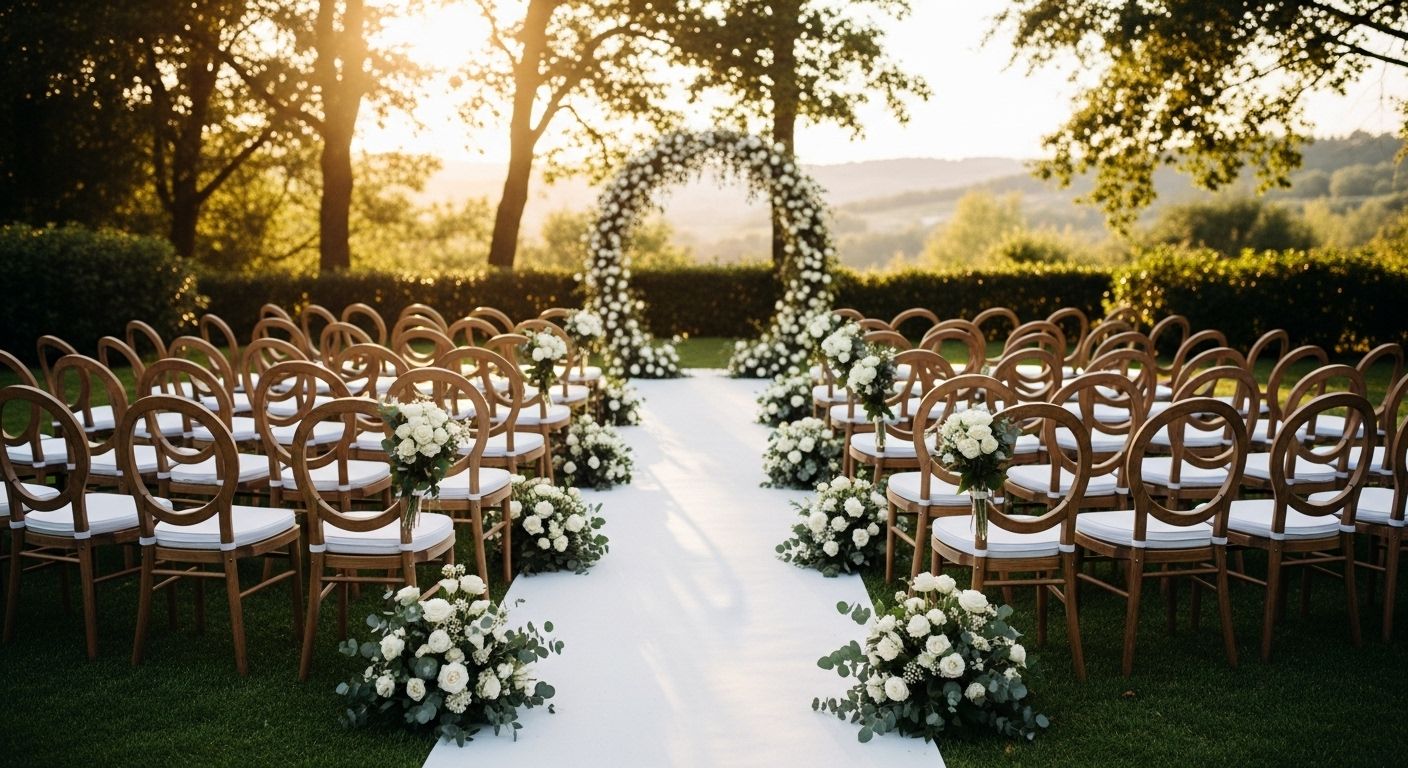
Who says you need straight rows? Modern seating for wedding ceremony is gettin’ creative:
- Semi-circle: Creates intimacy, great for small or outdoor weddings
- U-shape: Guests wrap around the couple—perfect for vow-focused ceremonies
- Theater-in-the-round: Couple in center, guests surrounding them (very *Romeo & Juliet* balcony vibes)
- Bench or log seating: Rustic charm for barn or forest nuptials
Just make sure sightlines are clear—nobody should crane their neck to see you say “I do.” And if you’re using hay bales? Maybe add cushions. Your Aunt Carol’s sciatica will thank you.
The 50-30-20 Rule for Weddings—Does It Apply to Seating Too?
You’ve heard the budget rule—but does it relate to seating for wedding ceremony? Indirectly, yes! Here’s how:
- 50% focus on comfort & function (sturdy chairs, shade, accessibility)
- 30% on aesthetics (chair covers, floral accents, ribbon colors)
- 20% on extras (cushions for elders, fans for hot climates, programs as seat markers)
One couple spent $800 on velvet chairs… but forgot shade at their desert wedding. Guests roasted like marshmallows. Moral? Comfort > Instagrammability. Always.
Accessibility Isn’t Optional—It’s Essential
When planning seating for wedding ceremony, never overlook accessibility. This means:
- Wider aisles (minimum 48 inches) for wheelchairs or walkers
- Reserved front-row spots for guests with hearing or vision impairments
- Clear paths from parking to seating (no gravel!)
- Signage with large, readable fonts
And please—don’t make Grandma climb stairs in heels just ‘cause the view’s “better.” Inclusive seating for wedding ceremony isn’t just kind—it’s classy as hell.
Pro Tips from Real Planners (Who’ve Seen It All)
We asked top planners what they wish couples knew about seating for wedding ceremony:
“Assign seats for the first three rows. Beyond that? Open seating. Saves drama and spreads out cliques.” — Lena R., NYC
“Always have 3–5 ‘floating’ chairs off to the side for latecomers or surprise guests.” — Marco T., Bali
“Use escort cards for ceremony too—not just reception. Reduces confusion and tears.” — Priya K., LA
And if you’re using an outdoor venue? Rent chairs with feet that won’t sink into grass. Learned that one the hard way after the best man’s chair vanished into the lawn like it was swallowed by Narnia.
DIY vs. Professional Setup: What’s Worth the Splurge?
Can you handle seating for wedding ceremony yourself? Maybe—if it’s under 30 guests and you’ve got strong friends. But for 50+? Hire pros. Why?
- They level uneven ground (no wobbly chairs!)
- They know local fire codes for max occupancy
- They set up *and* tear down—so you’re not collapsing chairs at midnight
Rental costs average $2–$8 per chair (USD), but include delivery and setup. At Events By Gather, we’ve seen DIY setups blow away in wind or tilt like Leaning Towers of Pisa. Save your sanity—invest in experts. Need more planning inspo? Peep our Planning category. And if you’re hunting for digital tools, don’t miss our guide: best wedding planning sites plan your dream day. It’s got free templates, vendor lists, and mood board hacks that’ll make you look like a pro—even if you’re cryin’ into your ring pillow.
Frequently Asked Questions
What is the seating order for a wedding ceremony?
Traditional seating for wedding ceremony places the bride’s family on the left and groom’s on the right when facing the altar. Parents sit in the front row, with the bride’s mother seated last. Modern couples often opt for open or mixed seating to reflect unity.
What is the 50 30 20 rule for weddings?
The 50-30-20 rule allocates 50% of the budget to essentials (venue, food), 30% to aesthetics (attire, decor), and 20% to extras. Applied to seating for wedding ceremony, it means prioritizing comfort (50%), visual design (30%), and thoughtful additions like cushions or shade (20%).
Where do parents sit at a wedding ceremony?
In standard seating for wedding ceremony, the bride’s parents sit in the front left row, and the groom’s parents in the front right. The bride’s mother is seated last, just before the processional begins, while the groom’s parents are seated beforehand.
Where do divorced parents sit at a wedding ceremony?
For divorced parents, seating for wedding ceremony should prioritize comfort and peace. Common approaches include seating them in separate front rows or placing a buffer (like a sibling) between them. Never assume they’re okay sitting together—always ask first.
References
- https://www.theknot.com/content/wedding-ceremony-seating-chart
- https://www.brides.com/wedding-ceremony-seating-etiquette
- https://www.weddingwire.com/wedding-ideas/ceremony-seating-arrangements
- https://www.marthastewartweddings.com/276167/wedding-ceremony-seating-etiquette
- https://www.realsimple.com/wedding-ceremony-seating-guide