Typical Wedding Budget Plan Your Dream Day
- 1.
What Does a typical wedding budget Really Look Like in 2025?
- 2.
Breaking Down the typical wedding budget: Where Does All That Cash Go?
- 3.
The 50-30-20 Rule—Does It Apply to Your typical wedding budget?
- 4.
When to Say “I Do” Without Breaking the Bank: Cheapest Month for a typical wedding budget
- 5.
Rarest Month to Tie the Knot—And Why It Might Save Your typical wedding budget
- 6.
Wait—What’s This 30-5 Minute Rule for Weddings?
- 7.
Trimming the Fat: How to Slash Your typical wedding budget Without Sacrificing Soul
- 8.
Hidden Costs That Ambush Your typical wedding budget
- 9.
Dream Big, Budget Smarter: Crafting a Personalized typical wedding budget
- 10.
Real Couples, Real typical wedding budget Wins (and Oopsies)
Table of Contents
typical wedding budget
What Does a typical wedding budget Really Look Like in 2025?
Ever walked into a bridal shop and felt your wallet whimper like a kicked pup? Yeah, us too. But don’t panic, typical wedding budget figures ain’t as scary as your future mother-in-law’s side-eye. According to recent surveys, the national average for a typical wedding budget in the U.S. hovers around $30,000—but hold up, that’s not gospel. Some couples splash $50K like it’s Monopoly money, while others craft dreamy I-do’s for under 5 grand. The secret sauce? Prioritization. Know what matters most—your guest list? The cake?—then allocate that typical wedding budget dough where it sings.
Breaking Down the typical wedding budget: Where Does All That Cash Go?
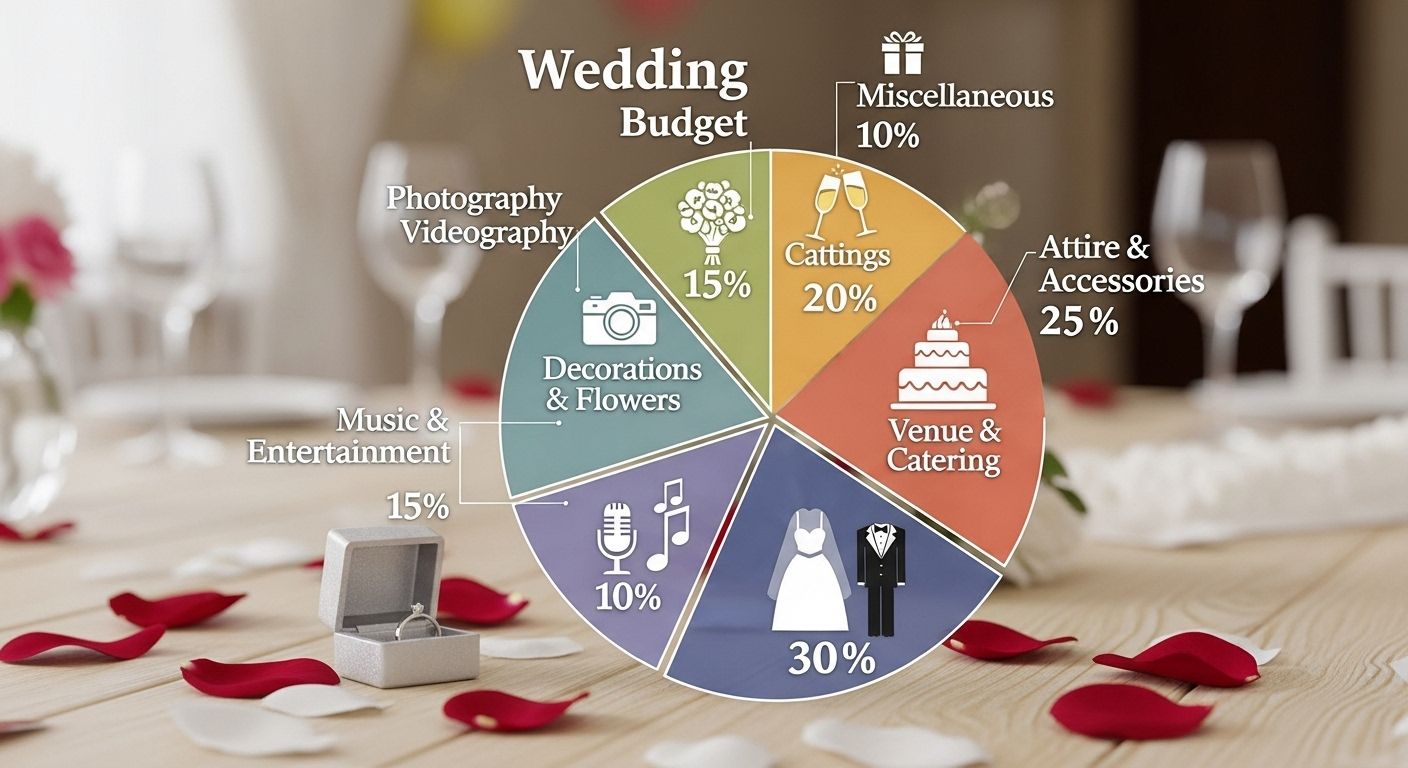
Let’s get real—typical wedding budget allocation isn’t just throwing money into a floral vortex. Here’s a rough (but realistic) pie chart of where your moolah flows:
| Expense | Percentage of typical wedding budget |
|---|---|
| Venue & Catering | 40–50% |
| Photography & Videography | 10–15% |
| Attire & Beauty | 5–10% |
| Flowers & Decor | 8–12% |
| Entertainment | 5–10% |
| Miscellaneous (invites, favors, etc.) | 5–8% |
This isn’t law carved in stone, but a flexible framework. Your typical wedding budget can shift if, say, you *live* for live sax solos or wanna serve only vegan cupcakes from Bali. Just remember: the typical wedding budget stretches when you stretch your creativity.
The 50-30-20 Rule—Does It Apply to Your typical wedding budget?
Y’all ever heard of the 50-30-20 rule for personal finance? Fifty percent needs, thirty wants, twenty savings? Well, typical wedding budget nerds (hi, us!) have twisted it into wedding wisdom. Here’s how:
- 50% Essentials: Venue, food, legal fees—can’t say “I do” without ‘em.
- 30% Experience Boosters: DJ, fancy napkins, open bar—nice-to-haves that jazz up the vibe.
- 20% Buffer & Savings: For when Aunt Betty insists on bringing her emotional support peacock.
Applying this to your typical wedding budget keeps you from crying into your champagne flute post-wedding. It’s not strict math—it’s strategic dreaming with your typical wedding budget as the compass.
When to Say “I Do” Without Breaking the Bank: Cheapest Month for a typical wedding budget
Pop quiz: What’s the cheapest month to get married? If you said January… ding ding ding! Off-season months (Jan, Feb, even November) often slash venue and vendor costs by up to 30%. Why? No one’s fightin’ for dates like they do in June. Your typical wedding budget gets a cozy discount just for dodging peak season. Bonus: winter weddings = moody, magical photos and zero sweaty armpit stains on your gown.
Rarest Month to Tie the Knot—And Why It Might Save Your typical wedding budget
Ever wonder what’s the rarest month to get married? Spoiler: it’s also January. Less than 5% of U.S. weddings happen then. But here’s the tea—this “rarity” is your secret weapon. Vendors are desperate for gigs, so they’ll sweeten deals. Suddenly, your typical wedding budget can afford that string quartet *and* the photo booth. Go rogue, lovebirds. Be the January rebels with a cause (and a lower credit card bill).
Wait—What’s This 30-5 Minute Rule for Weddings?
Okay, let’s clear the fog: there’s no legit “30-5 minute rule” in wedding planning—like, zero. Some TikTokers say you should spend 30 minutes planning and 5 minutes enjoying? Cute, but nonsense. Real talk: your typical wedding budget deserves thoughtful attention, not TikTok hacks. Ignore the noise, focus on what *actually* affects your typical wedding budget: vendor contracts, hidden fees, and that impulse to rent a llama. (Don’t rent the llama.)
Trimming the Fat: How to Slash Your typical wedding budget Without Sacrificing Soul
Want a lean, mean, typical wedding budget that still feels luxe? Try these tricks:
- Go DIY—but only on stuff you *enjoy* doing. (No one wants crooked place cards made in tears.)
- Trim the guest list. Sorry, third cousin twice removed—you’re uninvited.
- Choose digital invites over paper. Save trees *and* $300.
- Opt for a lunch reception—catering costs tank after noon.
Every cut you make on non-essentials gives your typical wedding budget room to breathe—and maybe even spring for sparkler send-offs.
Hidden Costs That Ambush Your typical wedding budget
Buckle up, ‘cause vendors got sneaky fees. That “$2,000 venue”? Add 20% for service charges, 10% for cake-cutting fees (yes, really), and $150 for “overtime” if your aunt’s karaoke set runs long. Always ask: “What’s not included?” Write every potential cost into your typical wedding budget spreadsheet—even the weird ones like “parking attendant for valet.” Trust us, your future self will thank you while sipping a stress-free mimosa.
Dream Big, Budget Smarter: Crafting a Personalized typical wedding budget
Your wedding ain’t your neighbor’s. Maybe you hate flowers but *live* for gourmet donuts. Great! Shift funds from florals to dessert. The magic of a typical wedding budget is its flexibility. Start with your total number, then assign dollars to what *you* love—not Pinterest trends. This isn’t just math; it’s love accounting. And when you prioritize joy over “shoulds,” your typical wedding budget becomes a love letter, not a ledger.
Real Couples, Real typical wedding budget Wins (and Oopsies)
Take Maya & Dev: $12K typical wedding budget, backyard bash, food trucks, borrowed decor. “Best day ever,” they said. Then there’s Chad & Blake—who blew $60K on a yacht wedding… only for rain to cancel the whole thing. Moral? Have a rain plan *and* a sanity plan. Track every penny in your typical wedding budget, and leave room for grace (and maybe a backup tent). Because at the end of the day, you’re marrying your person—not impressing Instagram.
Need more inspo? Swing by Events By Gather for the latest on wedding hacks. Dive deep into budget wisdom over at our Budget section. Or check out our full guide on normal wedding budget: plan your perfect vows for even more real-talk tips.
Frequently Asked Questions
What is the 50 30 20 rule for weddings?
The 50-30-20 rule for weddings adapts personal finance principles to your typical wedding budget: 50% for essentials (venue, food, legal), 30% for experiential upgrades (music, decor), and 20% as a buffer or savings. This keeps your typical wedding budget balanced between necessity and joy.
What is the cheapest month to get married?
January is widely considered the cheapest month to get married, thanks to low demand. This off-peak timing can significantly reduce your typical wedding budget—venues and vendors often offer discounts of 20–30% to fill their calendars.
What is the 30-5 minute rule for weddings?
There is no official or widely recognized 30-5 minute rule for weddings. It appears to be a social media myth. Focus instead on a realistic typical wedding budget and timeline that aligns with your priorities—not viral trends.
What is the rarest month to get married?
January is the rarest month to get married, with fewer than 5% of U.S. weddings occurring then. This rarity can work in your favor—vendors are more flexible, and your typical wedding budget can stretch further during this quiet season.
References
- https://www.theknot.com/content/average-wedding-cost
- https://www.brides.com/wedding-cost-by-state-5092272
- https://www.weddingwire.com/wedding-ideas/average-wedding-cost
- https://www.nationalweddingday.com/wedding-statistics
- https://www.forbes.com/advisor/personal-finance/average-cost-of-wedding/