
Event Space Business Plan Start Your Venue Now
- 1.
So… You Wanna Turn That Empty Warehouse Into a Party Palace?
- 2.
What Exactly Is an Event Space Business Plan—And Why Bother?
- 3.
How Profitable Is an Event Space? (Let’s Talk Real Numbers)
- 4.
How Much Do You Need to Start an Event Space? (Budget Breakdown)
- 5.
Do You Need an LLC to Be an Event Planner? (Spoiler: Yes, Probably)
- 6.
The 5 P’s of Event Planning—But Make It Venue Edition
- 7.
Location, Location, Location—But Also: Zoning Laws
- 8.
Marketing Your Space: Beyond Just Instagram Pretty Pics
- 9.
Common Pitfalls (And How to Dodge ‘Em Like a Pro)
- 10.
Scaling Smart: From One Room to a Full Empire
Table of Contents
event space business plan
So… You Wanna Turn That Empty Warehouse Into a Party Palace?
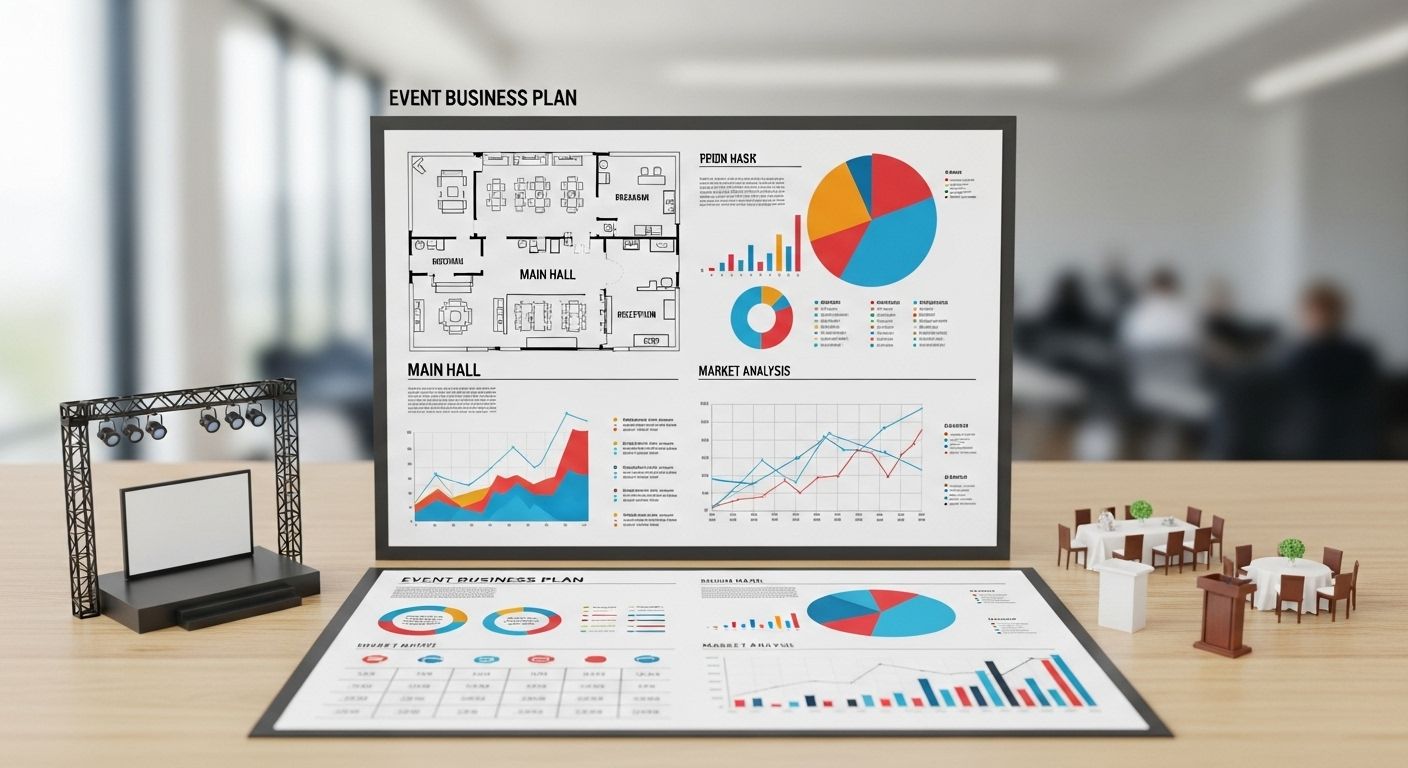
Ever looked at a dusty old loft, a sun-drenched barn, or even your rich aunt’s unused ballroom and thought, “Man, this place could host the wedding of the decade… or at least a killer baby shower”? 😏 If you’re dreamin’ of launching your own spot but your only business plan is scribbled on a cocktail napkin that says “vibes + $$,” then buckle up, buttercup—’cause we’re about to unpack the real-deal event space business plan that doesn’t just look good on paper, but actually prints money (well, metaphorically… mostly). Spoiler: it’s part art, part logistics, and 100% worth it if you do it right.
What Exactly Is an Event Space Business Plan—And Why Bother?
Let’s cut the fluff: a event space business plan ain’t just for impressing banks (though it’ll do that too). It’s your North Star when you’re knee-deep in linen samples at 2 AM wondering why you thought velvet was a good idea. It outlines your target market (elopements? corporate galas?), pricing model, competitive edge (“we’ve got a chandelier AND a taco truck hookup!”), and—most importantly—how you’ll avoid goin’ broke by month three. Without a solid event space business plan, you’re not a venue owner—you’re just a very stressed landlord with fairy lights.
How Profitable Is an Event Space? (Let’s Talk Real Numbers)
Alright, let’s get into the green stuff. Is an event space business plan actually a golden ticket? Short answer: *yes—but only if you nail the details.* On average, U.S. event venues pull in $50K–$250K/year in revenue, with net profit margins hovering around 15–30% after expenses (rent, staff, insurance, that weird plumbing issue in bathroom #2). High-demand locations—think Austin, Miami, or Hudson Valley—can charge $3,000–$10,000+ per weekend booking. And if you offer in-house catering or décor? Margins jump. But beware: slow seasons (January–February, we’re lookin’ at you) can dry up cash flow faster than a mimosa at brunch. So yeah—profitable? Absolutely. Easy? Hell no.
How Much Do You Need to Start an Event Space? (Budget Breakdown)
If you’re thinkin’ “I’ll just slap some paint on the walls and call it a day,” sweetie… bless your heart. The startup cost for a legit event space business plan ranges wildly:
| Type | Estimated Startup Cost (USD) | What’s Included |
|---|---|---|
| Pop-up / Backyard | $5,000 – $15,000 | Tents, lighting, permits, basic furniture |
| Rented Commercial Space | $30,000 – $75,000 | Lease deposit, build-out, AV, insurance |
| Owned Property (Renovated) | $100,000 – $500,000+ | Renovation, zoning compliance, landscaping, branding |
And don’t forget hidden costs: fire marshal inspections, ADA compliance, liability insurance ($2K–$5K/year), and that “emergency cake stand” you’ll inevitably need. But hey—if you’ve got vision and hustle, even a modest event space business plan can bloom into a six-figure empire. Just ask the folks who turned a gas station into a wedding chapel. (True story. Google it.)
Do You Need an LLC to Be an Event Planner? (Spoiler: Yes, Probably)
Here’s the tea: if you’re just hosting events in your backyard as a hobby? Nah, skip the paperwork. But if you’re running a real event space business plan—with contracts, vendors, and guests who might trip over a rug—you *absolutely* need an LLC (Limited Liability Company). Why? ‘Cause if someone spills red wine on a $10K gown or slips on your patio and sues, your *personal* assets (house, savings, that vintage Game Boy) stay protected. An LLC costs $50–$500 to file (depending on your state) and takes like, 20 minutes online. Worth it? Like, duh. Plus, it makes your biz look legit when you’re pitching to luxury clients.

The 5 P’s of Event Planning—But Make It Venue Edition
You’ve heard of the 5 P’s? Proper Planning Prevents Piss-Poor Performance. But for a killer event space business plan, we’ve got our own spin:
- Place – Location, layout, parking, and vibe (is it rustic chic or downtown glam?)
- People – Your ideal client (brides? tech startups? quinceañeras?) + staff
- Price – Tiered packages, off-season discounts, add-ons (hello, photo booth!)
- Partners – Trusted caterers, florists, DJs you can refer (and maybe get kickbacks from)
- Permits – Noise ordinances, alcohol licenses, fire codes… yeah, boring but essential
Miss one? Your event space business plan might be pretty—but it’ll crumble like a dry wedding cake.
Location, Location, Location—But Also: Zoning Laws
You found the perfect barn in the Catskills! Great views, cheap rent, romantic as heck. But wait—does the county *allow* events? Many rural areas have strict zoning that bans “commercial gatherings” over 25 people. Before you sign that lease, call your local planning department. Ask: - Is the property zoned for “assembly” or “commercial use”? - What’s the max occupancy? - Can you serve alcohol? A dreamy spot with no permit = a lawsuit waiting to happen. And nobody wants their wedding featured on *“Venue Nightmares.”*
Marketing Your Space: Beyond Just Instagram Pretty Pics
Sure, your venue looks gorgeous in golden hour—but if no one knows it exists, you’re just decorating for squirrels. A smart event space business plan includes multi-channel marketing:
- SEO-optimized website with virtual tours and real client reviews
- Partnerships with planners (they book 80% of high-end events!)
- Open house events so couples can “feel” the space
- Google Business Profile so you show up when someone searches “rustic wedding venue near me”
Oh, and don’t sleep on Events By Gather. We’re not just a name—we’re your launchpad. Need inspo? Dive into our Planning hub. And if you’re prepping for your first bachelorette gig? Steal ideas from our guide: bachelorette planning service fun party ideas. No shame in borrowing brilliance.
Common Pitfalls (And How to Dodge ‘Em Like a Pro)
New venue owners always make the same mistakes. Don’t be “that person”:
- Underestimating cleanup time – Bookings need buffer days. Nobody wants glitter in their vegan charcuterie.
- Skipping contracts – Always, ALWAYS use a detailed rental agreement.
- Over-decorating – Neutral = versatile. Hot pink walls? Only works for 2% of clients.
- Ignoring acoustics – If the DJ sounds like he’s underwater, you’ll get one-star reviews.
Your event space business plan should include a “lessons learned” log—because even pros mess up. (We once forgot toilet paper. Never again.)
Scaling Smart: From One Room to a Full Empire
Start small. Nail your niche. Then? Expand. Maybe add a courtyard for cocktails, or partner with a food truck collective. Some venues even launch “micro-wedding” packages for $999 to fill off-season gaps. The key? Keep your event space business plan alive—update it quarterly, track KPIs (bookings/month, avg. spend, client retention), and listen to feedback. Because the best venues aren’t just spaces—they’re *experiences*. And in 2025? People pay premium for magic they can’t fake on TikTok.
Frequently Asked Questions
How profitable is an event space?
An event space can be highly profitable, with annual revenues ranging from $50,000 to $250,000+ and net profit margins of 15–30%. Success depends on location, pricing strategy, and operational efficiency outlined in a solid event space business plan.
What are the 5 P's of event planning?
For venue owners, the 5 P’s are: Place, People, Price, Partners, and Permits. These pillars ensure your event space business plan covers everything from client targeting to legal compliance and vendor coordination.
Startup costs for an event space business plan range from $5,000 for a pop-up setup to over $500,000 for a fully renovated owned property. Key expenses include permits, insurance, furniture, lighting, and compliance upgrades.
Do you need an LLC to be an event planner?
While not legally required for hobbyists, forming an LLC is strongly recommended for anyone running a professional event space business plan. It protects personal assets from liability and adds credibility with clients and vendors.
References
- https://www.sba.gov/business-guide/plan-your-business/write-your-business-plan
- https://www.eventindustrynews.com/venue-profitability-stats-2024
- https://www.nolo.com/legal-encyclopedia/llc-basics-30001.html
- https://www.thebalancesmb.com/event-planning-business-startup-costs-2295831
- https://www.forbes.com/sites/theyec/2023/06/15/how-to-start-a-profitable-event-venue-business
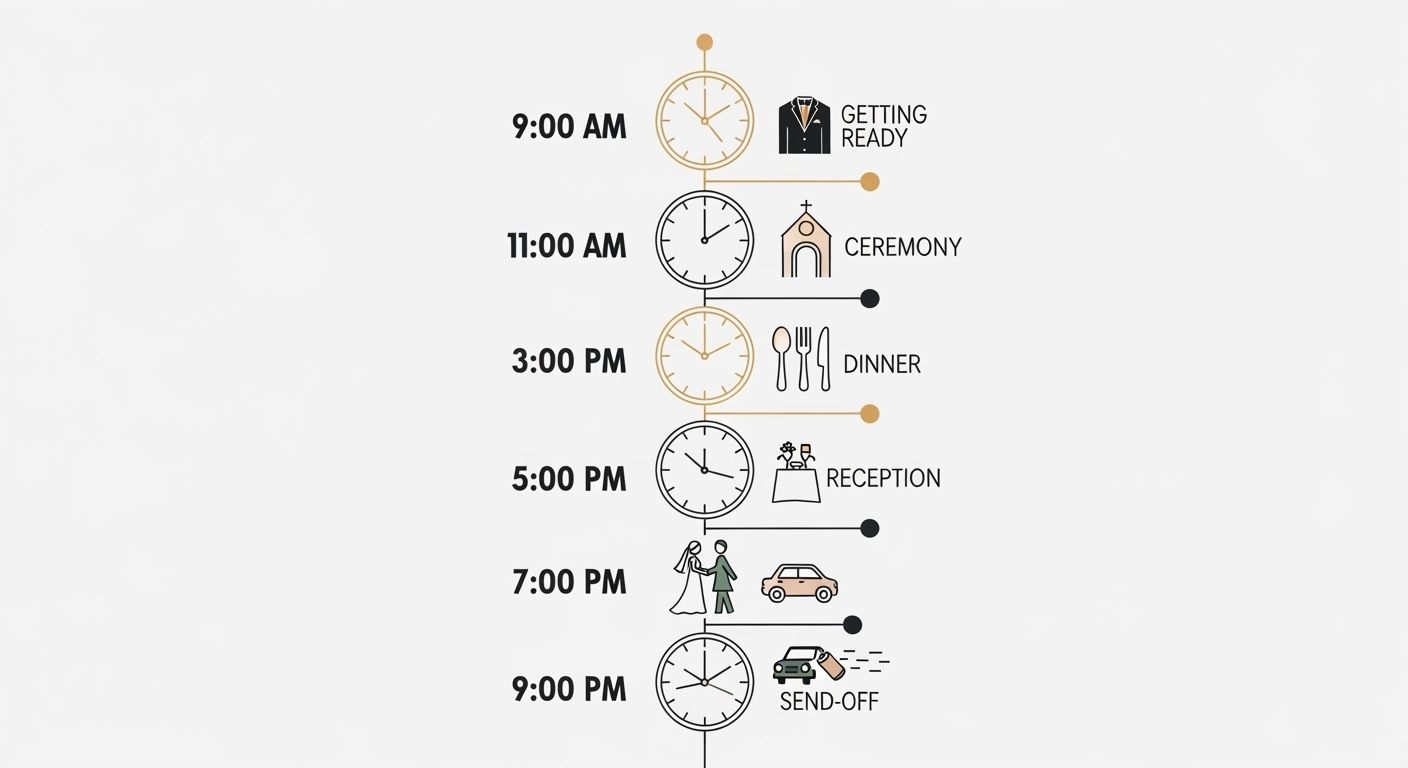
Typical Timeline for Wedding Day Essential Plan
Master your moments with a typical timeline for wedding day that actually works. Click to visit the site
Wedding Planner Helper Essential Aids
Need a wedding planner helper who won’t ghost you before cake cutting? We got you. Click to visit the site


Servicenow Vendor Management Essential Features
Explore ServiceNow vendor management features for streamlined processes, tracking, and risk reduction. See how it works. Visit our site to discover more today

Third Party Risk Management Vendors Key Providers
Evaluate top third party risk management vendors offering assessments, monitoring, and compliance tools. Stay secure. Visit our site to learn more today

Vendor and Contract Management Software Top Choices
Compare leading vendor and contract management software with key features, pricing, and user reviews. Find ideal fit. Visit our site to discover more today

Vendor Management in Project Management Vital Tools
Understand vendor management in project management with strategies, tools, and tips for successful delivery. Improve now. Visit our site to explore more today
