Typical Spanish Wedding Celebrate Cultural Vows
- 1.
What Even Goes Down at a Typical Spanish Wedding?
- 2.
Ceremony Traditions: More Than Just “I Do”
- 3.
What Is the Etiquette for Spanish Weddings, Anyway?
- 4.
Who Pays for the Wedding in Spanish Culture? (Spoiler: Not Just the Bride’s Dad!)
- 5.
How Long Does a Typical Spanish Wedding Last? (Buckle Up)
- 6.
Food, Glorious Food: The Heartbeat of the Celebration
- 7.
Flamenco, Folklore & Fiestas: Music That Moves Souls
- 8.
Regional Twists: How Spain’s Diversity Shapes the Big Day
- 9.
What to Gift? Cash, Culture, and Consideration
- 10.
Modern Meets Traditional: Today’s Spanish Wedding Vibe
Table of Contents
typical Spanish wedding
What Even Goes Down at a Typical Spanish Wedding?
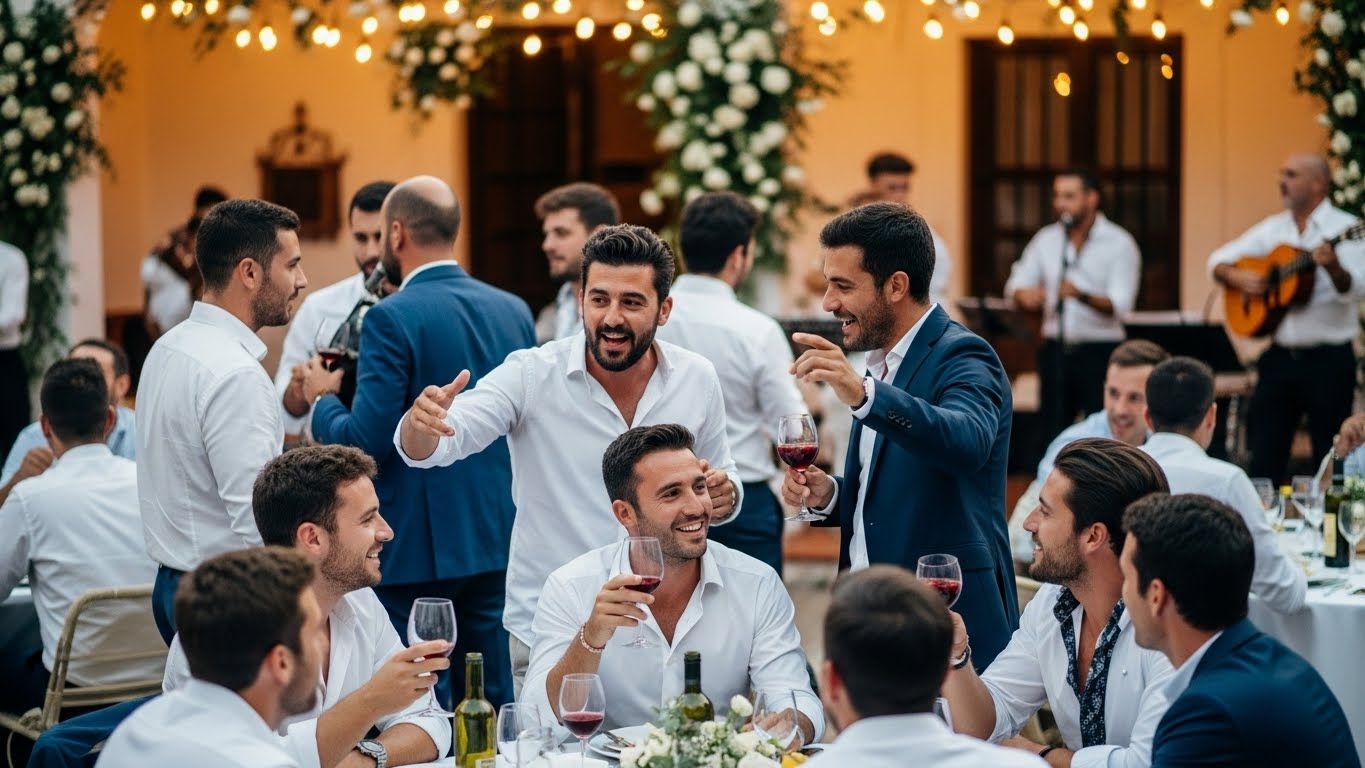
Y’all ever been to a typical Spanish wedding and thought, “Is this a reception or a full-blown fiesta with vows?” 😂 ‘Cause honestly, Spanish weddings ain’t just a ceremony—they’re a *whole vibe*. From Catholic church rituals (with full choir and organ!) to midnight feasts that last till your feet forget what shoes are… it’s pure *pasión*. A typical Spanish wedding usually kicks off late afternoon—like 5 or 6 PM—’cause siesta’s sacred, okay? Then it rolls right into cocktails, dinner, dancing, and enough churros to feed your entire abuela’s village. And don’t be shocked if fireworks light up the sky at midnight—that’s just how they say “¡Felicitaciones!”
Ceremony Traditions: More Than Just “I Do”
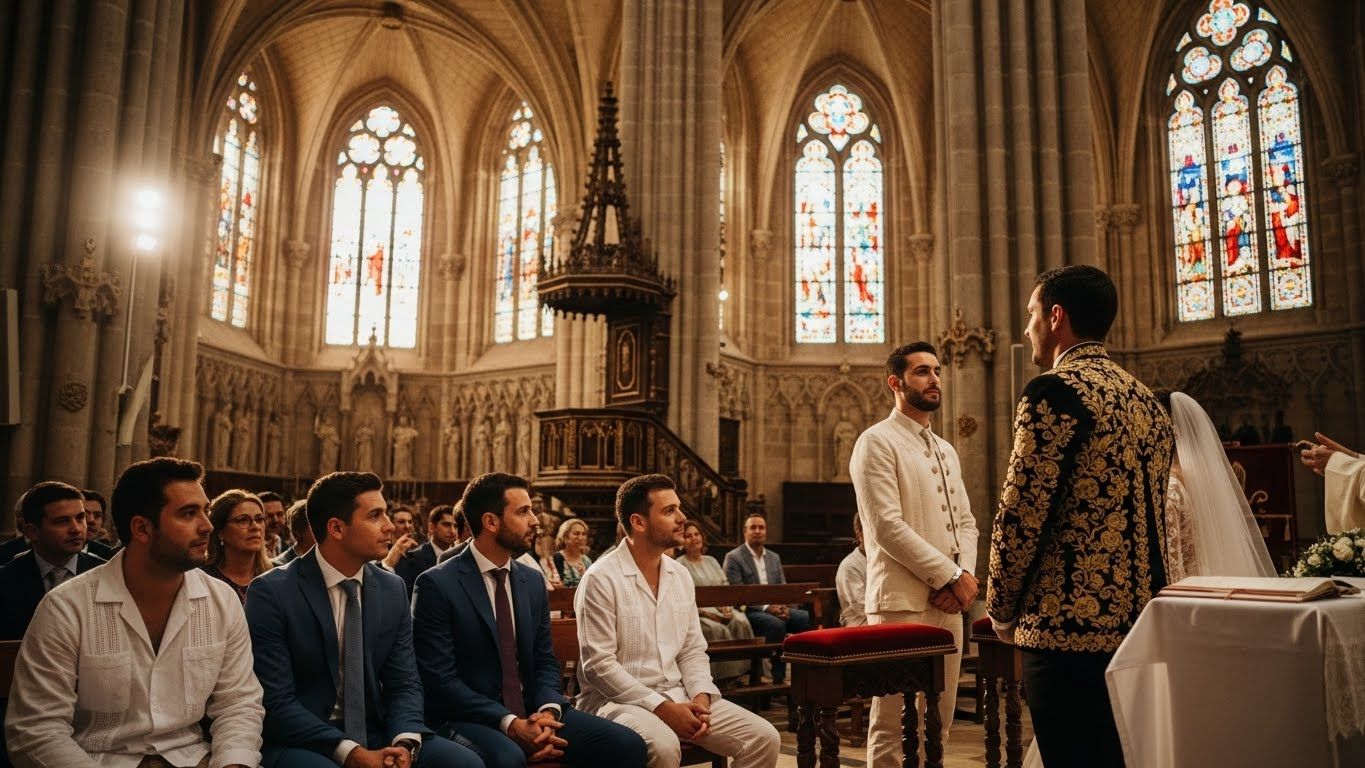
At the heart of a typical Spanish wedding lies a deeply rooted Catholic ceremony—but even non-religious couples often opt for it ’cause, well, the *drama*. Think candlelit altars, live flamenco guitar, and that one uncle who cries during the Ave Maria. One iconic moment? The *lazo* or wedding lasso—a floral rope placed around the couple’s shoulders to symbolize unity. Oh, and forget white gloves—modern brides keep it elegant but minimal, while grooms? Crisp suits, no tie, maybe a carnation in the lapel. And here’s the kicker: no bridesmaids or groomsmen! Just *los testigos*—two witnesses, usually family or besties—who sign the marriage papers like it’s a legal thriller.
What Is the Etiquette for Spanish Weddings, Anyway?
If you’re invited to a typical Spanish wedding, listen up—etiquette’s no joke. First: RSVP *early*. Like, yesterday. They need headcounts for that massive paella. Second: gifts? Skip the registry (they rarely have one). Instead, cash in an envelope is totally normal—even expected. Just tuck it in the wedding guest book with a sweet note. Third: dress code? Formal, but not “royal gala” formal. Think cocktail chic—no white (duh!), and if you’re male, a dark suit with loafers will do. Also, don’t show up late. Yeah, we know—Spain runs on “mañana time,” but weddings? They start *on time*. And for real—bring comfy shoes. You’ll be dancing till 5 AM.
Who Pays for the Wedding in Spanish Culture? (Spoiler: Not Just the Bride’s Dad!)
Back in the *abuelos*’ day? Yeah, the bride’s family footed the bill. But in today’s typical Spanish wedding? It’s a group project. Often, both families split costs 50/50—or even 60/40 depending on who’s got more tías with deep pockets. Sometimes the couple pays for it themselves (especially in cities like Madrid or Barcelona, where dual incomes are the norm). Fun fact: godparents (*padrinos*) might chip in for specific elements—like the cake or music—as a symbolic gesture. So while “who pays” used to be a rigid rule, modern Spanish couples are all about fairness, flexibility, and not going into debt just ‘cause Tía Rosario wants a live horse at the reception. (True story, almost happened.)
How Long Does a Typical Spanish Wedding Last? (Buckle Up)
Imagine this: it’s 3 PM. You’re still in your PJs. Meanwhile, in Seville, the bride’s getting her hair pinned while the groom’s sipping vermouth with his *cuñados*. That’s because a typical Spanish wedding ain’t a 2-hour drop-in—it’s an *all-day epic*. Ceremony at 6 PM → cocktails till 8 → dinner at 9 → dancing from 10 PM to… well, sunrise if the DJ’s good. Most guests stay till 3 or 4 AM. And yes, there’s a *second breakfast*—usually around 2 AM: mini bocadillos, tortilla española, and hot chocolate to refuel. So if you thought American weddings were long, honey—Spain plays 4D chess with time. Bring snacks. And a nap beforehand. 💤
Food, Glorious Food: The Heartbeat of the Celebration
You can’t talk about a typical Spanish wedding without droolin’ over the menu. We’re not talkin’ chicken or salmon here—this is a *gastronomic novel*. Expect 5–7 courses: from jamón ibérico starters to seafood paella, grilled meats, and crema catalana for dessert. And wine? Flows like the Guadalquivir River. Pro tip: most venues serve *menú de boda*—a fixed menu based on regional specialties. In Andalusia? Gazpacho and fried fish. In Galicia? Pulpo á feira. Oh, and the cake? Often a *tarta de Santiago* (almond cake) or multi-tiered beauty with churros on the side. Bottom line: come hungry. Like, *starving*. ‘Cause FOMO on Iberian pork belly is real.
Flamenco, Folklore & Fiestas: Music That Moves Souls
Much like love itself, music at a typical Spanish wedding is loud, emotional, and impossible to ignore. While modern couples might hire a DJ or jazz trio, many still weave in traditional sounds—flamenco singers (*cantaores*), castanets, or even bagpipes in the north (yep, Galicia’s got pipes!). The first dance? Often a classic like “Bésame Mucho” or a custom flamenco number. And don’t be surprised if abuelo grabs the mic at 1 AM to sing a *copla*—a folk ballad about lost love and olives. Music isn’t just background noise here; it’s the pulse of the party. So yeah, expect spontaneous *sevillanas* in the courtyard at 3 AM. And join in—you’ll thank us later.
Regional Twists: How Spain’s Diversity Shapes the Big Day
Spain ain’t just one culture—it’s 17 autonomous communities, each with its own wedding flavor. In Catalonia, you might see the *caga tió* (pooping log) referenced ironically… okay, maybe not, but they *do* serve cava instead of champagne. In Basque Country? The bride might wear a *mantilla* made of local lace. And in Valencia? Firecrackers (*mascletà*) sometimes welcome the newlyweds post-ceremony—just don’t faint from the boom! So while the skeleton of a typical Spanish wedding stays similar (church → feast → dance), the soul changes with every province. It’s like regional tapas—but for matrimony.
What to Gift? Cash, Culture, and Consideration
If you’re attendin’ a typical Spanish wedding, skip the toaster. Seriously. Spanish couples usually live together *before* marriage, so they’ve got the kitchen gear. Instead, cash is king—and it’s not tacky. They often list a *buzón de regalos* (gift box) at the entrance. Slip in €50–€150 depending on closeness (€200+ if you’re family). Write a heartfelt note—Spaniards value sentiment over stuff. Alternatively, some couples now use digital gift registries for honeymoons or experiences. And if you’re feelin’ extra thoughtful? A vintage *abanico* (hand fan) or hand-painted ceramic plate makes a gorgeous keepsake. Just don’t wrap it in white paper—black or gold only, por favor.
Modern Meets Traditional: Today’s Spanish Wedding Vibe
While rooted in centuries of custom, the typical Spanish wedding today? It’s evolving—fast. More couples are ditching the church for vineyards, beaches, or even city rooftops. Civil ceremonies at town halls are rising, especially among younger urbanites. And gender roles? Flipped: grooms help pick dresses, brides choose their own surnames. Yet, the *essence* remains—community, food, music, and joy that spills into the streets. At Events By Gather, we’re obsessed with how couples blend old and new. Want theme inspo? Peep our Themes gallery. And if you’re plannin’ a winter soirée after your Spanish nuptials? Don’t sleep on our guide: xmas table set up essential decor. Olé meets holly, baby.
Frequently Asked Questions
What happens in a traditional Spanish wedding?
A typical Spanish wedding traditionally begins with a Catholic ceremony in the late afternoon, followed by a large reception featuring multiple-course meals, live music (often flamenco), hours of dancing, and midnight snacks. Key elements include the *lazo* (wedding lasso), *los testigos* (witnesses), and communal celebration that can last until early morning.
What is the etiquette for Spanish weddings?
Etiquette at a typical Spanish wedding includes RSVPing early, bringing cash as a gift in an envelope, dressing formally (no white for guests), arriving on time for the ceremony, and staying late to enjoy the full celebration. Guests are expected to participate in toasts and dancing—it’s considered rude to leave right after dinner.
How long does a typical Spanish wedding last?
A typical Spanish wedding often starts around 5–6 PM and can last until 4 or 5 AM the next morning. The extended timeline includes ceremony, cocktail hour, a multi-course dinner, hours of dancing, and a late-night “second breakfast” to keep guests energized.
Who pays for the wedding in Spanish culture?
In modern times, the cost of a typical Spanish wedding is commonly shared between both families or even covered by the couple themselves. Traditionally, the bride’s family paid, but today’s approach is more collaborative, with godparents sometimes contributing to specific elements like music or cake.
References
- https://www.spain.info/en/what-to-do-in-spain/weddings-in-spain
- https://www.brides.com/spanish-wedding-traditions-5085633
- https://www.theknot.com/content/wedding-traditions-spain
- https://www.timeout.com/madrid/en/things-to-do/spanish-wedding-customs
- https://www.lonelyplanet.com/articles/spanish-wedding-traditions