
Wedding Online Planner Essential Features

- 1.
Can You Really Tie the Knot Without Leaving Your Couch?
- 2.
What Exactly Is a Wedding Online Planner, Anyway?
- 3.
Budget Blues: Is $5,000 Enough for a Wedding in 2026?
- 4.
The 50-30-20 Rule for Weddings: Wait, Isn’t That for Personal Finance?
- 5.
How Online Planners Are Changing the Game for Stressed-Out Couples
- 6.
State-by-State Legality: Where Can You Actually Get Married Online?
- 7.
Features to Look For in a Top-Tier Wedding Online Planner
- 8.
Common Pitfalls Couples Face When Going Fully Digital
- 9.
Real Couples, Real Stories: How a Wedding Online Planner Saved Their Big Day
- 10.
Your Next Steps: Choosing the Right Tool Without Losing Your Mind
Table of Contents
wedding online planner
Can You Really Tie the Knot Without Leaving Your Couch?
Y’all ever wake up at 3 a.m., scrollin’ through TikTok, and think, “Man, I could just marry my boo right now—no venue, no dress, no Aunt Linda’s weird casserole”? Well, guess what? With a wedding online planner, you kinda can. But hold up—before you start livestreaming vows in your PJs, let’s unpack whether an online wedding’s actually legal in the U.S. Spoiler: it’s complicated. Some states like Colorado and Utah allow fully remote ceremonies with e-signatures and virtual officiants, while others demand at least one witness be physically present. So yeah, you *can* get hitched online—but only if your state ain’t playin’ hard to get.
What Exactly Is a Wedding Online Planner, Anyway?
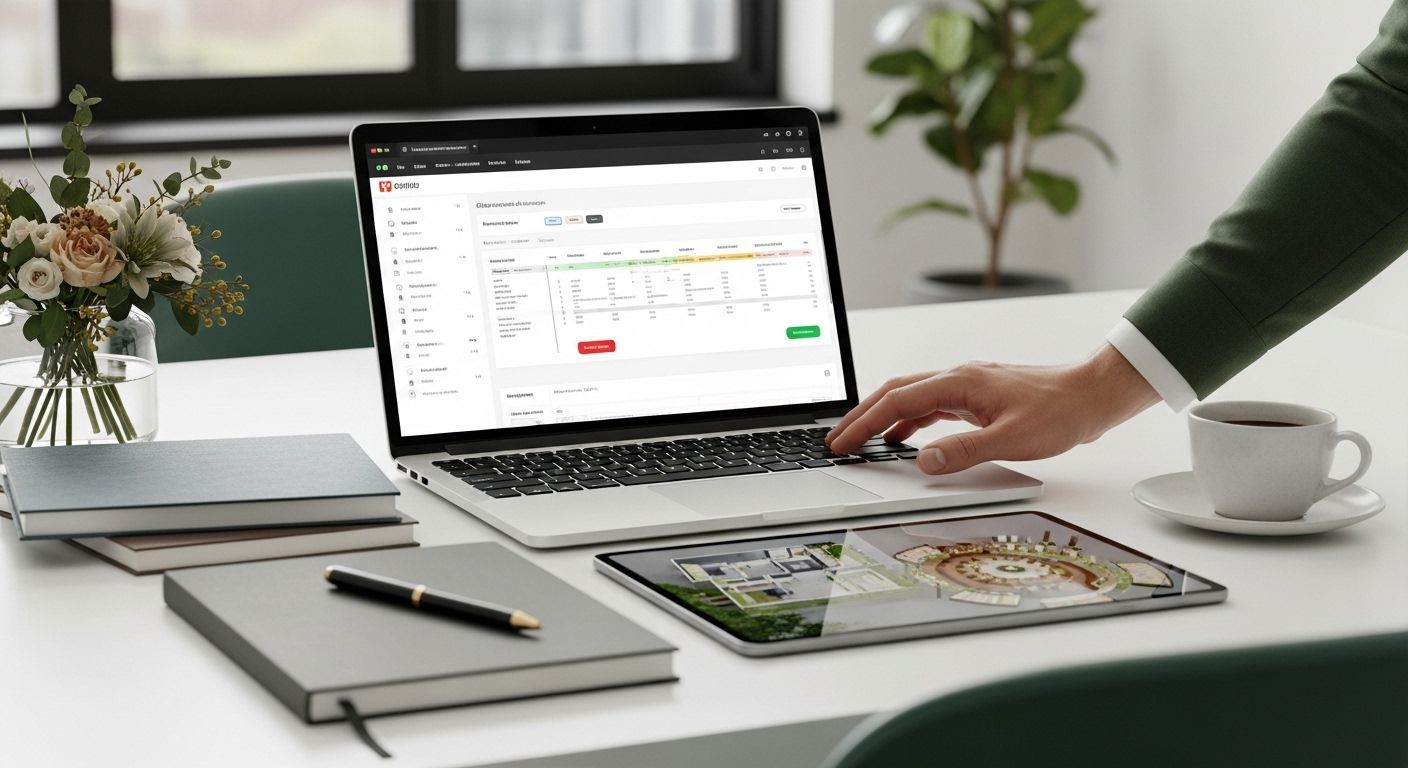
Think of a wedding online planner as your digital fairy godmother—minus the wand, plus spreadsheets. It’s a platform (or app, or slick website) that helps you book vendors, manage timelines, track RSVPs, and even coordinate virtual vow exchanges. Some even integrate Zoom for hybrid ceremonies or offer AI-driven budget calculators. The best ones? They feel like your BFF who *also* happens to know how much a decent charcuterie board costs in Des Moines. Whether you’re eloping via webcam or throwing a 200-person bash, a solid wedding online planner keeps chaos on mute.
Budget Blues: Is $5,000 Enough for a Wedding in 2026?
“Is $5000 enough for a wedding?”—asked every hopeful romantic since 2020. And honey, the answer is: yes, if you’re smart about it. The national average hovers around $30,000, but micro-weddings and DIY magic have made sub-$5K celebrations not just possible—they’re chic. A wedding online planner can help stretch those dollars by comparing vendor rates, flagging hidden fees, and reminding you that “free” backyard venues exist (thanks, cousin Dave). Pro tip: skip the floral arch, go for seasonal blooms, and serve cake pops instead of a five-tier monstrosity. Suddenly, $5K feels like a fortune.
The 50-30-20 Rule for Weddings: Wait, Isn’t That for Personal Finance?
You’ve heard of the 50-30-20 rule for budgeting—50% needs, 30% wants, 20% savings. But some savvy planners have flipped it for weddings: 50% venue & food, 30% experience (photography, music, vibe), 20% everything else—including your wedding online planner subscription. Now, this ain’t gospel, but it’s a damn good compass. If your “everything else” bucket includes 12 custom monogrammed napkins and a llama ring bearer, maybe recalibrate. A good wedding online planner will auto-categorize your spending so you don’t accidentally blow 40% on favors shaped like your dog.
How Online Planners Are Changing the Game for Stressed-Out Couples
Remember when planning a wedding meant binders thicker than a Stephen King novel and weekly panic attacks over seating charts? Yeah, those days are ghosted. Today’s wedding online planner tools sync calendars, send automated reminders (“Your florist needs final numbers in 3 days!”), and even suggest backup DJs when your first choice flakes. They’re like having a part-time coordinator for $20/month instead of $3,000. And for couples juggling jobs, kids, or just chronic exhaustion? That’s pure gold. Plus, most let you share access with your partner—so no more “Wait, did we book the cake?!” texts at midnight.
State-by-State Legality: Where Can You Actually Get Married Online?
Here’s the tea: the U.S. has no federal law on online marriages—it’s all state-run. As of 2026, Utah leads the pack with fully digital licenses and ceremonies recognized nationwide. Colorado allows self-solemnization (you officiate yourselves!) via video. California? Nope—you need physical presence. New York? Also nope. So before you hit “Go Live” on your vows, check your state’s rules. A wedding online planner worth its salt will include a legality checker or link to official portals—because nothing kills romance like an invalid marriage certificate.
Features to Look For in a Top-Tier Wedding Online Planner
Not all wedding online planner platforms are created equal. Here’s your cheat sheet:
- Real-time budget tracker with vendor cost averages by ZIP code
- Guest list manager with dietary preference tags and RSVP analytics
- Timeline generator that auto-adjusts if your venue date shifts
- Vendor marketplace with verified reviews (no fake 5-stars!)
- Cloud storage for contracts, mood boards, and that one Pinterest pin of “rustic-chic-but-make-it-goth”
Common Pitfalls Couples Face When Going Fully Digital
Going full-on digital with your wedding online planner sounds dreamy—until your Wi-Fi drops mid-vow or your virtual officiant logs in late ‘cause they forgot time zones. Other oopsies? Assuming online = cheap (some platforms charge $50+/month), or skipping legal research because “the internet said it’s fine.” Also, don’t underestimate the emotional weight of zero physical prep—some couples miss the tactile joy of flipping through fabric swatches or tasting cakes. A hybrid approach (digital planning + one or two in-person moments) often hits the sweet spot.
Real Couples, Real Stories: How a Wedding Online Planner Saved Their Big Day
Take Maya and Dev in Austin: both working 60-hour weeks, planning a 75-person wedding. “We’d forget who we booked for what,” Maya laughs. “Then we found a wedding online planner that color-coded everything and sent Slack-style alerts. When our photographer bailed two weeks out, the app suggested three backups within our budget—and one was *better*.” Or consider Liam and Jordan in Portland, who eloped via Zoom with family across three time zones. “Our wedding online planner even scheduled reminder emails to guests in Tokyo so they wouldn’t miss sunrise vows.” Tech didn’t replace love—it amplified it.
Your Next Steps: Choosing the Right Tool Without Losing Your Mind
If you’re ready to dive into the world of wedding online planner magic, start simple. Free tiers (like Zola or The Knot) work for basic tracking, but paid versions ($10–$30/month) unlock real power—like Gantt charts for setup crews or AI-generated seating arrangements that avoid putting your vegan cousin next to Uncle Bob’s brisket obsession. And remember: tools don’t replace communication. Use your planner to align with your partner, not hide from decisions. Ready to explore? Swing by Events By Gather, browse our Planning resources, or geek out on how tech meets heart in our deep-dive on hospitality in event management essential roles.
Frequently Asked Questions
Is online wedding legal in the US?
Online weddings are legal in select U.S. states like Utah and Colorado, which allow fully remote ceremonies and digital marriage licenses. However, most states still require at least one in-person participant or witness. Always verify your state’s current laws before relying solely on a wedding online planner for legal compliance.
What is the 50 30 20 rule for weddings?
The 50-30-20 rule for weddings adapts personal finance principles: allocate 50% of your budget to essentials (venue, food), 30% to experiential elements (photography, music), and 20% to extras—including your wedding online planner subscription, favors, and attire. This framework helps maintain balance without overspending.
Is there anyway to get married online?
Yes—through states like Utah that issue online marriage licenses and recognize virtual ceremonies. Couples outside those states may need to travel or combine remote planning with in-person legal formalities. A reliable wedding online planner can guide you through jurisdictional requirements and streamline the process.
Is $5000 enough for a wedding?
Absolutely! With careful planning and tools like a wedding online planner, $5,000 can cover a beautiful micro-wedding or intimate elopement. Prioritize what matters most—food, photos, or vibe—and cut non-essentials. Many couples now celebrate under $5K without sacrificing meaning or style.
References
- https://www.usa.gov/marriage
- https://www.utahcounty.gov/Dept/Recorder/MarriageLicenses.asp
- https://www.theknot.com/content/wedding-budget-breakdown
- https://www.weddingwire.com/wedding-planning-tools